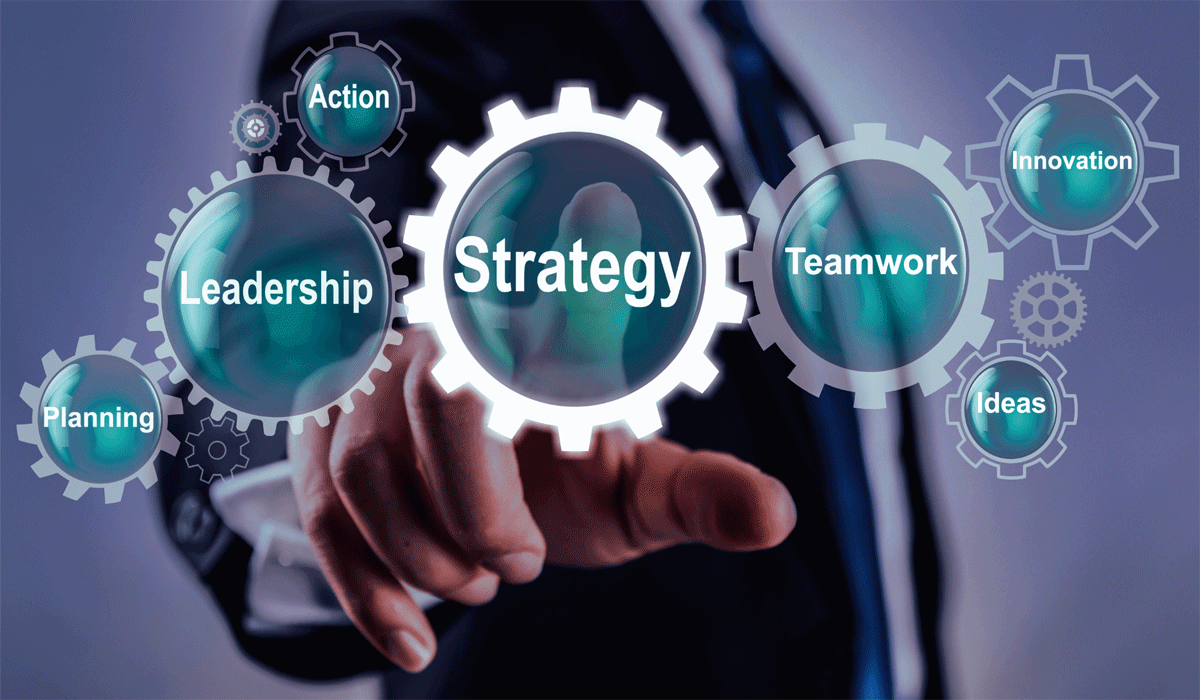
Effective project management is the backbone of successful organizations. It ensures that goals are met on time, resources are used efficiently.
And teams remain aligned throughout the process By applying proven strategies, managers can navigate complexities, reduce risks, and deliver consistent results that meet or exceed expectations Streamlining Business Projects.
Clear Goal Setting and Project Scope
Defining clear goals is the first step in any successful project. Without a well-defined objective, teams may lose direction and struggle to prioritize tasks effectively. Establishing measurable outcomes helps ensure everyone understands what success looks like from the beginning.
A well-structured project scope prevents unnecessary changes and confusion later. It outlines boundaries, deliverables, and key milestones that guide execution. When scope is clearly communicated, stakeholders are less likely to introduce unexpected adjustments.
Consistency in goal alignment keeps teams focused throughout the lifecycle. Regular reviews and adjustments ensure that objectives remain relevant. This clarity enables smoother workflows and minimizes wasted effort.
Strategic Planning and Resource Allocation
Planning is essential to transform ideas into actionable steps. A detailed roadmap helps break down complex projects into manageable tasks. This allows teams to track progress and stay organized throughout execution.
Effective resource allocation ensures that the right people and tools are available at the right time. Balancing workloads prevents burnout and improves overall productivity. Managers must assess skills carefully to assign responsibilities efficiently.
Flexibility in planning allows adjustments when challenges arise. Projects rarely go exactly as planned, so adapting strategies is crucial. A proactive mindset ensures that setbacks do not derail progress.
Read Also: Project Management: The Key to Successfully Managing Projects Effectively
Effective Communication Across Teams
Strong communication is vital for project success. Clear instructions and regular updates keep everyone informed and aligned. Miscommunication can lead to delays and costly mistakes.
Using structured communication channels helps streamline information sharing. Meetings, reports, and collaborative tools ensure transparency across teams. This creates a culture of accountability and trust.
Encouraging open dialogue allows team members to share ideas and concerns. When individuals feel heard, collaboration improves significantly. This leads to better problem-solving and stronger team dynamics.
Risk Management and Problem Solving
Every project carries some level of risk. Identifying potential challenges early helps teams prepare and respond effectively. A proactive approach reduces uncertainty and improves decision-making.
Creating contingency plans ensures that teams can handle unexpected situations. These plans provide alternative solutions when issues arise. This minimizes disruptions and keeps the project on track.
Problem-solving skills are essential for overcoming obstacles. Analyzing situations quickly and implementing solutions efficiently helps maintain momentum. Teams that embrace challenges often achieve better results.
Monitoring Progress and Performance
Tracking progress is necessary to ensure that projects stay on schedule. Regular monitoring allows managers to identify delays and take corrective actions promptly. This keeps the project aligned with its timeline.
Performance metrics provide valuable insights into team efficiency. Measuring productivity helps identify strengths and areas for improvement. Data-driven decisions lead to better outcomes.
Consistent evaluation ensures continuous improvement. Learning from past experiences helps refine future strategies. This creates a cycle of growth and increased effectiveness.
Leadership and Team Motivation
Strong leadership plays a crucial role in project success. Leaders must guide teams, provide direction, and inspire confidence. A clear vision helps align efforts toward common goals.
Motivating team members enhances productivity and engagement. Recognizing achievements and providing support fosters a positive work environment. This encourages individuals to perform at their best.
Building a collaborative culture strengthens team relationships. When people work well together, efficiency improves. Effective leadership creates an environment where success becomes a shared responsibility.
Conclusion
Mastering project management requires a combination of clear planning, effective communication, and strong leadership. By applying proven strategies, teams can overcome challenges and deliver consistent results.
Continuous improvement and adaptability are key to long-term success. Organizations that refine their processes and empower their teams are better positioned to achieve their goals efficiently
Image Information Source:
First Image from: sertifier.com
Second Image from: forbes.com