Project management plays a crucial role in ensuring that ideas, goals, and business strategies are executed in a structured and efficient way.

In today’s fast-paced and highly competitive environment, organizations rely heavily on project management to deliver results on time, within scope, and with optimal use of resources.
Without proper management, even the best ideas can fail due to poor planning, miscommunication, or lack of coordination. Understanding project management principles is essential for achieving consistent success across industries.
Understanding the Fundamentals of Project Management
Project management begins with understanding its core purpose: to plan, organize, and control resources to achieve specific goals. It is not just about completing tasks but ensuring that every phase of a project aligns with the overall objective. A strong foundation helps teams stay focused and productive.
At its core, project management involves five main stages: initiation, planning, execution, monitoring, and closure. Each stage plays a vital role in ensuring the project progresses smoothly and delivers expected outcomes.
Defining Clear Project Objectives
Clear objectives are the foundation of any successful project. Without well-defined goals, teams may struggle to understand what they are working toward, leading to confusion and inefficiency.
By setting specific, measurable, achievable, relevant, and time-bound (SMART) goals, project managers can guide their teams more effectively and ensure everyone is aligned.
Importance of Structured Planning
Planning is the stage where ideas are transformed into actionable steps. It involves allocating resources, defining timelines, and identifying potential risks.
A structured plan acts as a roadmap that keeps the project on track and minimizes uncertainties throughout the execution process.
Role of Leadership in Project Success
Strong leadership is one of the most important factors in project management. A project manager must not only coordinate tasks but also inspire and guide the team toward success.
Effective leaders ensure that communication flows smoothly and that each team member understands their responsibilities clearly.
Building Effective Communication Channels
Communication is the backbone of successful project management. Without it, misunderstandings and delays can easily occur.
Establishing clear communication channels ensures that all stakeholders remain informed and engaged throughout the project lifecycle.
Motivating and Guiding Teams
A motivated team is more likely to deliver high-quality results. Project managers must encourage collaboration and recognize individual contributions.
By providing support and guidance, leaders can maintain team morale and improve overall productivity.
Planning and Resource Allocation Strategies
Efficient planning and resource allocation are essential for completing projects within budget and on time. Poor resource management often leads to delays and increased costs.
Project managers must carefully assess available resources and distribute them effectively to avoid bottlenecks.
Managing Time and Deadlines Effectively
Time management is critical in project execution. Delays in one phase can affect the entire project timeline.
Using scheduling tools and setting realistic deadlines helps ensure that tasks are completed efficiently and on time.
Optimizing Resource Utilization
Resources include manpower, tools, and budget. Proper utilization ensures that no resources are wasted or overused.
By continuously monitoring resource usage, project managers can make adjustments to improve efficiency.
Read Also: Managing Digital Streaming Projects to Achieve Business Targets
Risk Management and Problem Solving
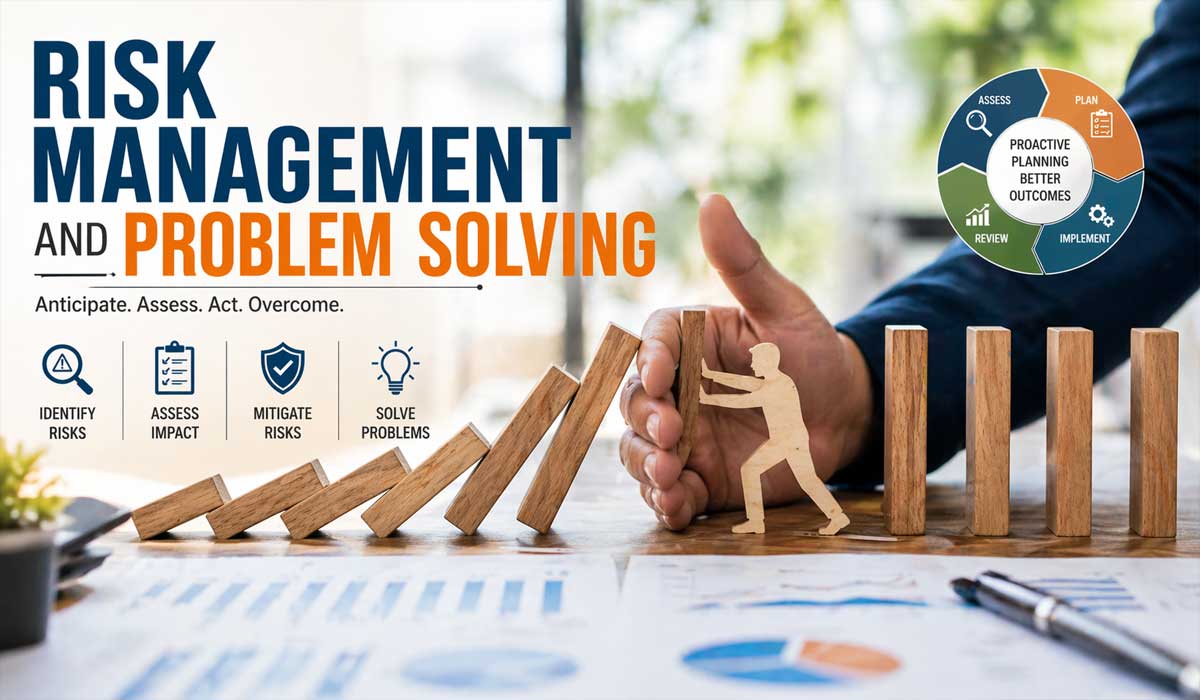
Every project involves risks, whether financial, operational, or technical. Identifying and managing these risks is essential for smooth execution.
Effective project managers anticipate problems before they occur and develop strategies to mitigate them.
Identifying Potential Risks Early
Early risk identification allows teams to prepare for possible challenges. This proactive approach reduces the impact of unexpected issues.
Risk analysis tools and regular assessments help in detecting potential problems before they escalate.
Developing Contingency Plans
A contingency plan provides alternative solutions when things do not go as expected. It ensures that the project can continue despite setbacks.
Having backup strategies in place increases project resilience and stability.
Monitoring, Evaluation, and Continuous Improvement
Monitoring progress is essential to ensure that the project stays aligned with its goals. Regular evaluation helps identify areas that need improvement.
Continuous improvement ensures that lessons learned from one project can be applied to future projects.
Tracking Project Performance
Performance tracking involves measuring progress against predefined goals and timelines. This helps project managers identify deviations early.
Using performance metrics ensures that the project remains on track and meets expectations.
Learning from Project Outcomes
Every project provides valuable insights, whether successful or not. These insights help improve future project management practices. By analyzing outcomes, teams can refine their strategies and enhance overall efficiency.