A complete guide to project management for beginners learn planning, organizing, monitoring, and techniques for team and project success.
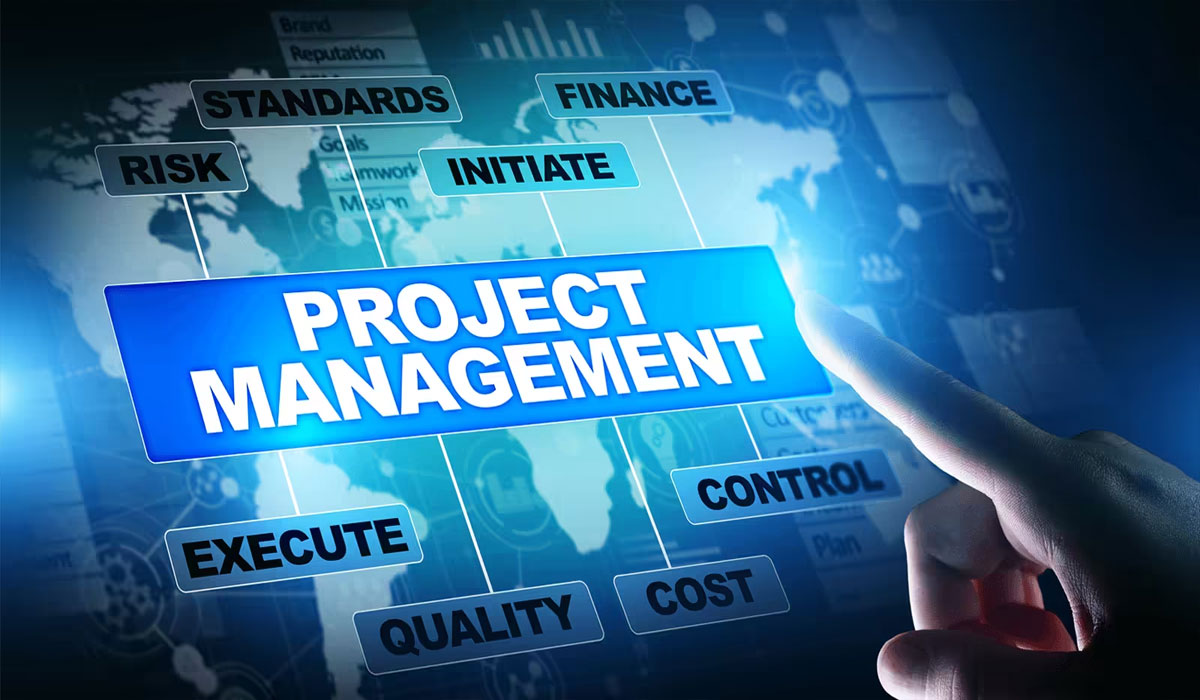
Project management is a crucial skill in various fields, including business, technology, and nonprofit organizations. For beginners, this concept may seem complex, as it involves planning, team coordination, budget management, and monitoring results. However, with a basic understanding and the right strategies, anyone can begin to master project management effectively.
Understanding Project Management Basics
The first step in mastering project management is understanding its definition and primary objectives. Simply put, project management is the process of planning, organizing, and managing resources to achieve specific goals within a defined timeframe and budget. Projects typically have unique characteristics, differing from routine operational activities, and therefore require a specialized approach. Understanding the project lifecycle, from initiation, planning, execution, monitoring, and closure, helps beginners see the big picture before diving into hands-on practice.
Furthermore, beginners need to understand the key roles in a project, such as the project manager, team members, stakeholders, and sponsor. Each role has specific, interrelated responsibilities. For example, a project manager is responsible for planning and ensuring the project runs on schedule. While stakeholders provide input and approval on important decisions. By understanding these roles from the outset, beginners can adapt more quickly to the project team.
Establishing Clear Project Goals and Scope
One of the causes of project failure is the lack of clearly defined goals and scope. Project goals must be specific, measurable, achievable, relevant, and time-bound. Proper goal-setting provides direction for the entire team and serves as a benchmark for measuring project success.
The project scope also needs to be defined in detail. The scope encompasses what is and is not included in the project, ensuring the team has clear boundaries. Unclear scope often leads to sudden changes or unplanned additional work, known as scope creep. For beginners, understanding the importance of project goals and scope is fundamental to successful project management.
Also Read: Systematic Project Management for Long-Term Project Success
Resource Planning and Management

Once the goals and scope are established, the next stage is thorough planning. Planning includes developing a schedule, allocating a budget, and assigning tasks to team members. The project schedule must be realistic, taking into account team capacity and potential obstacles. Using tools such as Gantt charts or flowcharts can help visualize work flow and deadlines.
In addition to time, other resources such as budget, equipment, and technology also need to be managed effectively. Beginners must learn to create realistic cost estimates and regularly monitor expenses. Efficient resource management ensures projects run smoothly and minimizes the risk of delays.
Managing Teams and Effective Communication
Successful projects depend heavily on effective teamwork and communication. Beginners need to understand how to lead a team, assign clear responsibilities, and provide appropriate direction. Building good relationships between team members increases motivation and productivity.
Communication is also key to conveying information, changes, or issues quickly and clearly. Beginners should become accustomed to using periodic reports, regular meetings, and digital collaboration platforms to monitor project progress. The ability to listen, provide constructive feedback, and resolve conflicts are additional important skills for beginner project managers.
Project Monitoring, Evaluation, and Closing
The final stage of project management is monitoring, evaluation, and closing. Project monitoring is carried out continuously to ensure that the schedule and budget remain on track. If any deviations are found, corrective measures need to be implemented immediately.
Evaluating the project after completion helps the team understand what worked and what needs improvement. The evaluation document, or post-mortem, can be a valuable reference for future projects. Project closure also includes documenting results, reporting to stakeholders, and archiving all project data.
For beginners, understanding the importance of evaluation and documentation is part of the learning process that will improve overall project management skills.