

McDonald’s is not just a fast-food restaurant, it is a global phenomenon that has transformed the way the world eats.
From its humble barbecue stand in San Bernardino, California, to becoming one of the most recognized brands on the planet, McDonald’s journey is a fascinating case study in business vision, strategic innovation, and remarkable adaptability. Its success story is not merely about burgers and fries but about a deep understanding of consumer needs and consistent strategy execution.
Below, Streamlining Business Projects will provide some key insights to improve the efficiency and performance of your projects.
Foundational Business and Revolutionary Operational Model
The origins of McDonald’s trace back to Dick and Mac McDonald, who introduced the revolutionary “Speedee Service System” in the 1940s. This system focused on production efficiency and menu standardization, drastically reducing customer waiting times. This innovation transformed the fast-food experience and laid the groundwork for future expansion.
Ray Kroc, a milkshake machine salesman, recognized the immense potential in the McDonald Brothers’ system. He acquired the company in 1961 and introduced an aggressive franchising model, allowing McDonald’s to expand rapidly with relatively low capital investment from Kroc himself. This model also empowered local franchisees to grow alongside the brand.
Kroc strongly emphasized Quality, Service, Cleanliness, and Value, known as the QSC&V philosophy. These principles became the main pillars of McDonald’s operations, ensuring consistent customer experience worldwide, regardless of the restaurant’s location.
Global Marketing and Local Adaptation Strategies
One of McDonald’s greatest strengths is its ability to integrate global marketing with local adaptation. Global campaigns like “I’m Lovin’ It” create a strong and recognizable brand identity worldwide, building a universal image of happiness and satisfaction. This message transcends cultural boundaries.
However, McDonald’s is also very clever in adapting its menu and marketing strategies to local preferences. In India, for example, they offer the McAloo Tikki Burger (a spiced potato burger) and do not serve beef, respecting local culture. This adaptation demonstrates a deep understanding of different markets.
McDonald’s marketing strategy focuses not only on products but also on experiences. From playgrounds in restaurants to Happy Meals with collectible toys, they target families and create emotional bonds with consumers. This strengthens brand loyalty from a young age.
Product Innovation and Menu Diversification
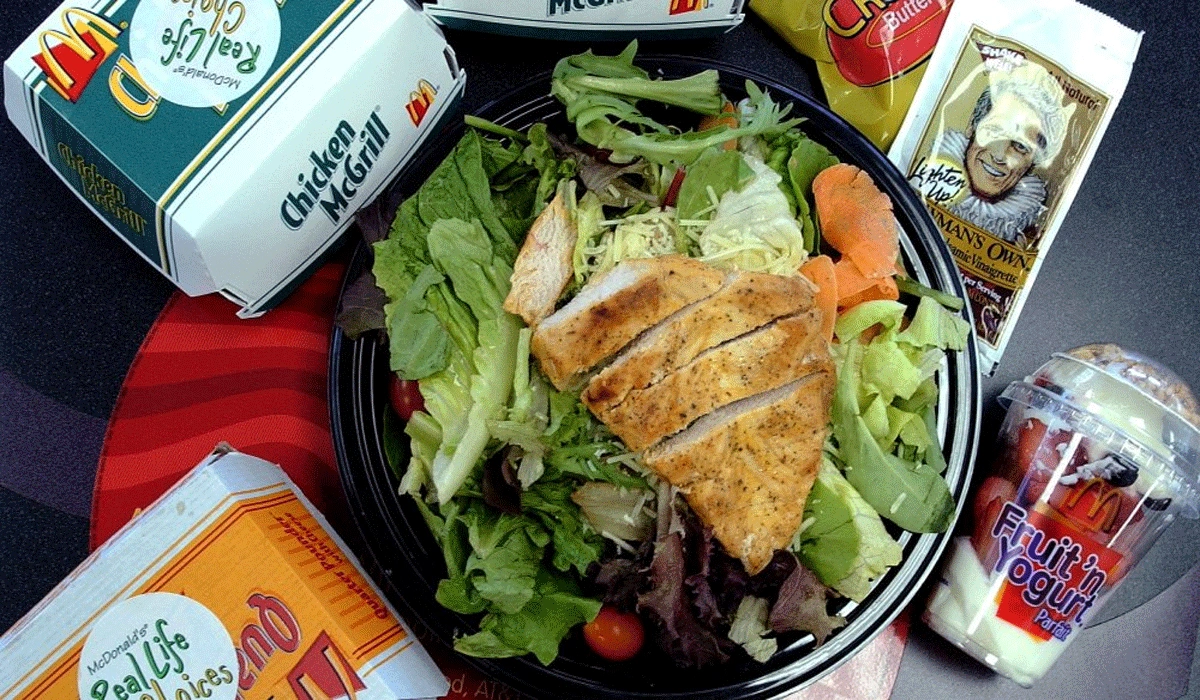
To remain relevant and appealing to various consumer segments, McDonald’s constantly innovates products and diversifies its menu. Besides classic items like the Big Mac and Quarter Pounder, they introduce healthier options such as salads and fruits. This responds to increasing health awareness.
Diversification is also evident in the premium McCafe coffee offerings, which compete directly with specialty coffee shops. This move successfully attracted a new segment of customers seeking higher quality coffee. This shows the brand’s flexibility to enter different markets.
The introduction of the “Create Your Taste” platform or burger customization in some markets also reflects McDonald’s efforts to provide a more personalized experience to customers. This innovation allows customers to design burgers to their liking, increasing satisfaction and engagement.
Digital Transformation and Sustainability
In the digital era, McDonald’s has invested heavily in technology to enhance operational efficiency and customer experience. Mobile apps, digital drive-thru ordering, and self-order kiosks speed up the ordering and payment processes. This also provides valuable data for analyzing customer preferences.
Additionally, McDonald’s is increasingly focused on sustainability issues and corporate social responsibility. They are committed to reducing greenhouse gas emissions, using more environmentally friendly packaging, and sourcing ingredients sustainably. These steps are crucial for maintaining reputation and relevance among modern consumers.
Response to changing consumer preferences, such as the trend towards plant-based foods, is also evident in offerings like the McPlant in some markets. This demonstrates McDonald’s willingness to adapt to global dietary shifts and continue innovating.
Stay up to date with the latest information from Streamlining Business Projects and don’t miss out on getting relevant and useful insights for your business development.
Image Source:
- First Image from toxicfreefuture.org
- Second Image from mashed.com

