The strategy of developing a clear business roadmap helps companies achieve long-term growth, efficiency, and strategic direction.
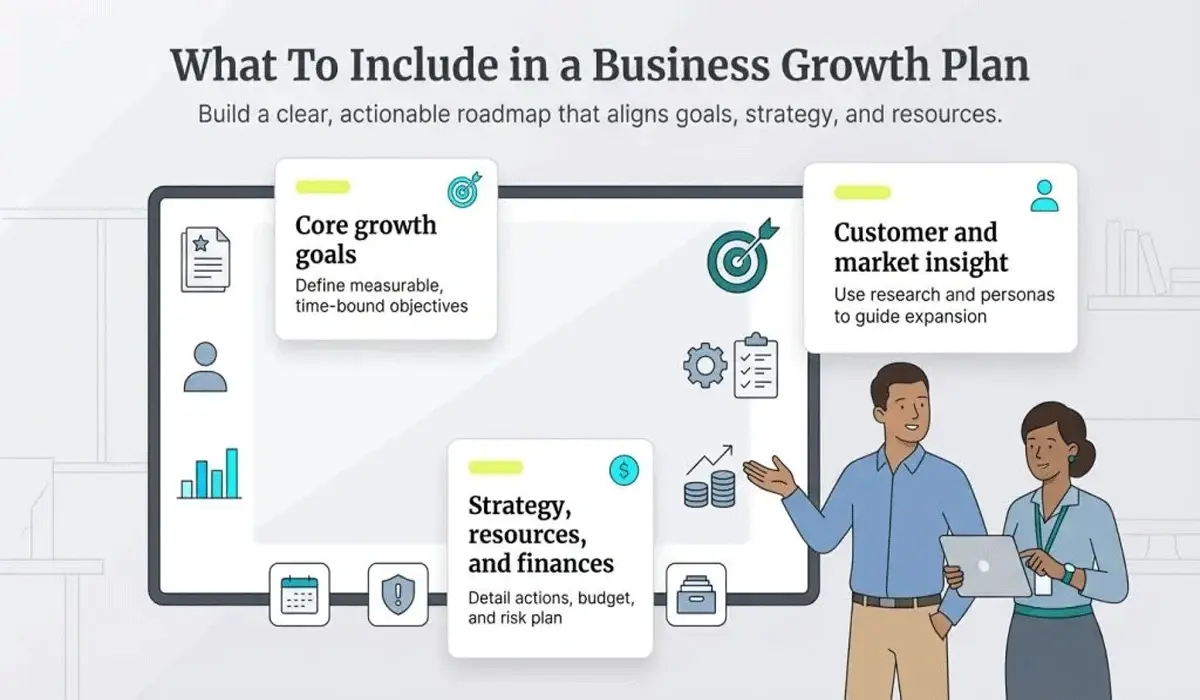
Sustainable business growth doesn’t happen by accident. Successful companies always have a clear business roadmap, guiding every strategic decision from today to the future. This roadmap is not just a document, but a strategic tool for aligning the company’s vision, goals, and tactical steps. Without a structured roadmap, businesses often lose direction, risk stagnation, or fail to capitalize on new opportunities. The following Streamlining Business Projects, discusses how to develop an effective business roadmap for long-term growth.
Understanding Company Goals and Vision
The first step in developing a business roadmap is to deeply understand the company’s goals and vision. A clear vision serves as the primary guide for determining strategic direction and long-term decisions. Without a well-defined vision, the business roadmap will lose focus and be difficult to implement consistently.
In addition to the vision, company goals must be specific, measurable, and realistic. These goals serve as benchmarks for the success of each stage of the roadmap. For example, targets for revenue increase, market expansion, or new product development. By setting measurable goals, companies can objectively monitor progress and adjust strategies as needed.
Finally, understanding the external context, such as market trends, competitors, and industry regulations, is crucial to ensuring the roadmap remains relevant. A SWOT (Strengths, Weaknesses, Opportunities, Threats) analysis can help identify the company’s position and strategic priorities for sustainable growth.
Developing a Long-Term Strategy
Once the vision and goals are clear, the next step is to develop a long-term strategy that will help the company achieve these targets. This strategy includes decisions related to market expansion, product development, technological innovation, and human resource management.
Each strategy must be measurable and realistic, with clear Key Performance Indicators (KPIs). For example, if a company’s strategy focuses on new market penetration, KPIs could be the number of new customers per quarter or market share achieved. KPIs help objectively monitor the strategy’s effectiveness.
Furthermore, a long-term strategy must be flexible to change. The business world is full of uncertainties, from economic fluctuations to technological changes. A good business roadmap always includes contingency plans and adaptation options, so the company can stay on track with growth even when facing unexpected challenges.
Also Read: Mastering The Business World: Smart Strategies For Growth And Survival
Determining Priorities and Implementation Stages
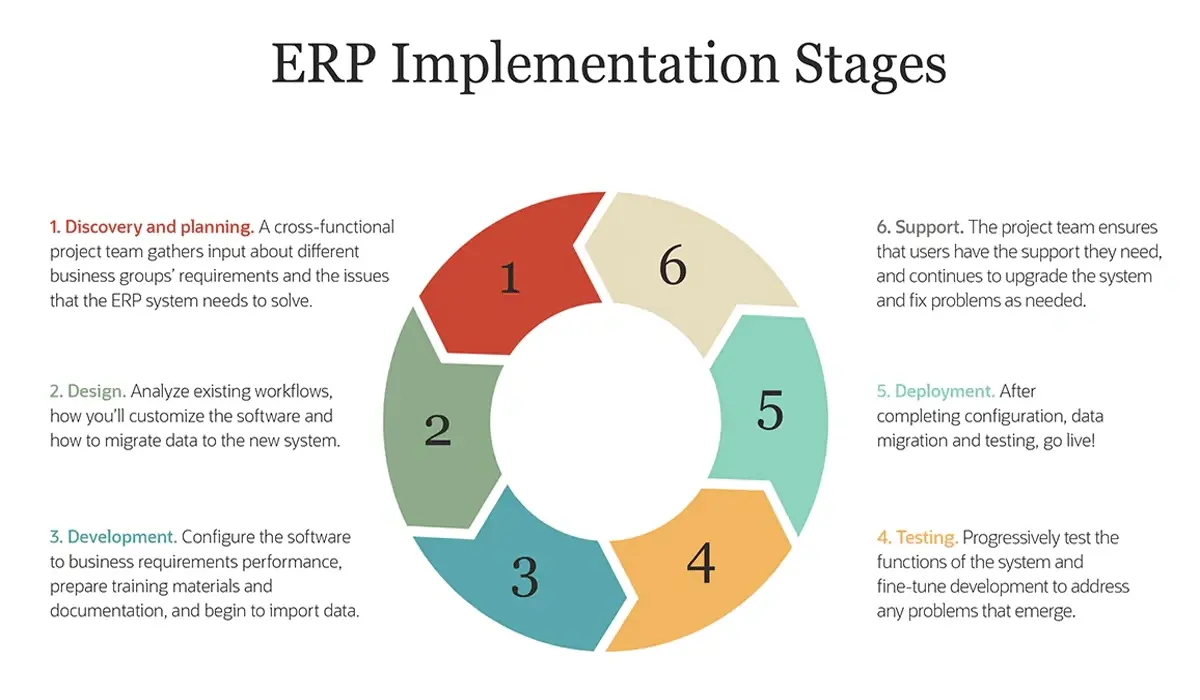
An effective business roadmap must divide the strategy into clear stages and determine implementation priorities. Not all initiatives can be implemented simultaneously, so prioritization is crucial to ensure optimal resource utilization.
Implementation stages are typically divided into short-, medium-, and long-term stages. The short-term stage focuses on achieving quick wins to build momentum, while the medium- and long-term stages are more geared toward transformational initiatives and strategic expansion.
Furthermore, it is crucial to align teams and resources with each stage. Each department must understand its role, responsibilities, and contribution to long-term goals. Clear communication and effective project management ensure each step of the roadmap can be executed smoothly.
Monitoring Evaluation and Adjustment
Developing a business roadmap doesn’t stop once it’s created. The monitoring and evaluation process is crucial to ensure the strategy remains relevant and effective. Regularly evaluating KPIs and target achievement allows companies to identify problems early.
Furthermore, adjusting the strategy based on the latest data and trends can increase the effectiveness of the roadmap. For example, if market trends change or a competitor launches a new product, a company must be ready to adjust its priorities and initiatives to remain competitive.
Monitoring also helps strengthen a culture of accountability and transparency throughout the organization. Each team can see how its contributions impact the company’s growth, thus encouraging continuous collaboration and innovation.
Developing a Long-Term Strategy for Business Growth
Developing a long-term strategy is a crucial step for any company seeking sustainable growth. This strategy is not simply an ambitious plan, but a concrete guide that connects the company’s vision with concrete actions.
With a clear strategy, a company can determine its growth direction, allocate resources efficiently, and face market challenges with greater preparedness. Thank you for taking the time to explore interesting information about successful companies in Streamlining Business Projects, We will provide lots of information.
Image Information Source:
First Image: business.com
Second Image: netsuite.co.uk