A must-understand basic guide to project management, covering planning, team management, time and risk for effective and measurable results.

Project management is a critical skill in today’s professional world, regardless of industry or organization size. From launching a new product to implementing internal systems, projects are the driving force behind innovation and growth. Understanding the basics of project management is essential for ensuring that objectives are achieved efficiently, on time, and within budget.
Without a solid foundation, even well-intentioned projects can suffer from poor coordination, wasted resources, and unmet expectations. By mastering core project management principles, individuals and teams can improve collaboration, reduce risk, and deliver meaningful results with consistency and confidence.
Defining Goals and Planning the Project
Every successful project begins with clear goals and thorough planning. Defining what the project aims to achieve helps establish direction and sets expectations for all stakeholders involved. Project goals should be realistic, measurable, and aligned with broader organizational objectives. Once goals are established, planning becomes the roadmap that guides the project from start to finish.
This phase involves identifying tasks, estimating timelines, allocating resources, and anticipating potential challenges. Effective planning provides structure and clarity, allowing teams to understand their roles and responsibilities. A well-developed plan also helps prevent scope creep, which occurs when additional tasks or changes are introduced without proper evaluation, often leading to delays and increased costs.
Executing the Project Effectively
Project execution is the phase where planning turns into action. During this stage, team members carry out assigned tasks while project managers coordinate efforts and maintain alignment with the project plan. Clear communication is essential to ensure that everyone understands priorities and progress.
Leadership plays a crucial role in keeping the team motivated, addressing issues promptly, and adapting to unexpected changes. Execution requires balancing productivity with flexibility, as real-world conditions may differ from initial assumptions. Successful execution depends on collaboration, accountability, and the ability to make informed decisions while keeping the project objectives at the forefront.
Also Read: The Secret to Project Management Success From Planning to Execution
Monitoring Progress and Managing Risks
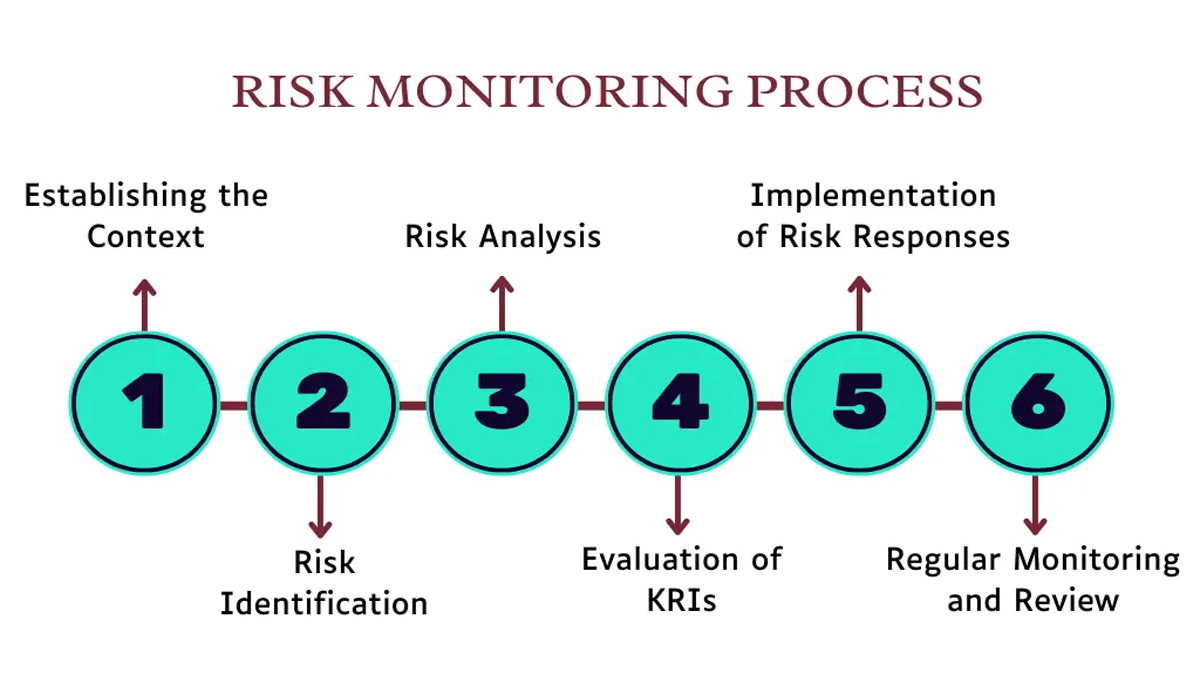
Monitoring is a continuous process that runs alongside project execution. It involves tracking progress, comparing actual performance against the plan, and identifying deviations early. Regular monitoring allows project managers to make adjustments before small issues escalate into major problems. Risk management is closely tied to this process, as all projects face uncertainties that can impact outcomes.
Identifying risks early, assessing their potential impact, and preparing mitigation strategies are essential for maintaining control. By staying proactive and data-driven, project managers can ensure that the project remains on course and that stakeholders are kept informed through transparent reporting and communication.
Conclusion
Understanding the basics of project management is essential for delivering successful outcomes in any professional setting. From defining clear goals and creating structured plans to executing tasks effectively and monitoring progress, each phase plays a vital role in the overall success of a project.
Project management is not just about processes and tools, but also about leadership, communication, and adaptability. By mastering these foundational concepts, individuals and teams can improve efficiency, reduce uncertainty, and achieve long-term success. Strong project management practices transform ideas into results, making them an indispensable skill in today’s dynamic and results-driven world.