A systematic project management approach to improve efficiency, team coordination, and sustainable project success.
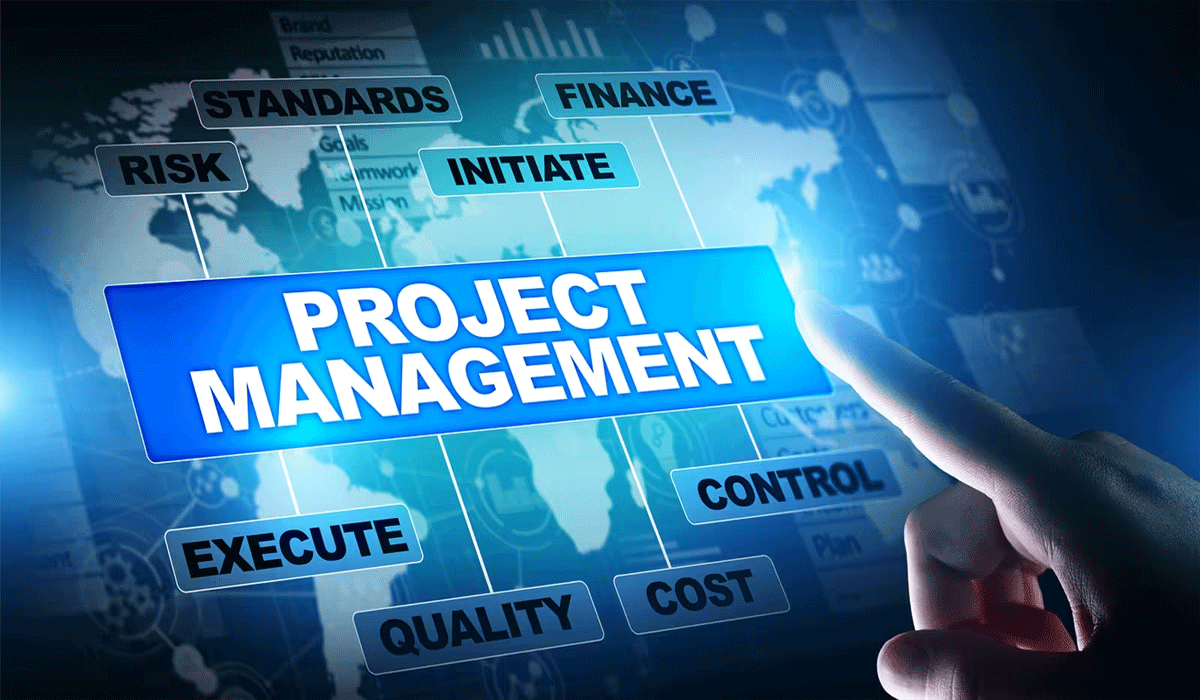
Systematic project management is a critical foundation for achieving long-term project success in today’s complex and fast-paced business environment. Projects are no longer simple, short-term initiatives they often involve multiple stakeholders, extended timelines, and evolving requirements.
Without a structured and methodical approach, projects are at high risk of delays, budget overruns, and unmet objectives. Systematic project management provides a clear framework for planning, executing, monitoring, and closing projects in a way that ensures consistency, accountability, and sustainability.
Establishing Clear Goals and Strategic Alignment
Long-term project success begins with clearly defined goals that are aligned with organizational strategy. A systematic approach ensures that project objectives are specific, measurable, achievable, relevant, and time-bound. When goals are well-articulated from the outset, project teams have a shared understanding of what success looks like.
Strategic alignment is equally important, as projects should contribute directly to broader business goals rather than operate in isolation. Systematic project management emphasizes early stakeholder engagement to confirm priorities, expectations, and success criteria. This alignment helps prevent scope creep and ensures that decision-making throughout the project lifecycle remains focused on delivering meaningful value to the organization.
Structured Planning and Resource Management
Effective planning is at the heart of systematic project management. A structured plan outlines tasks, timelines, dependencies, budgets, and risk mitigation strategies. This level of detail allows project managers to anticipate challenges and allocate resources efficiently. Long-term projects often require careful coordination of human resources, financial investments, and technical assets over extended periods.
Systematic planning ensures that resources are not overextended and that contingencies are in place when unexpected issues arise. By using standardized planning tools and frameworks, project managers can maintain consistency across phases and ensure that progress remains steady and controlled throughout the project lifecycle.
Also Read: Business Projects Through Workflow and Streaming Methodology
Monitoring Progress and Managing Risks
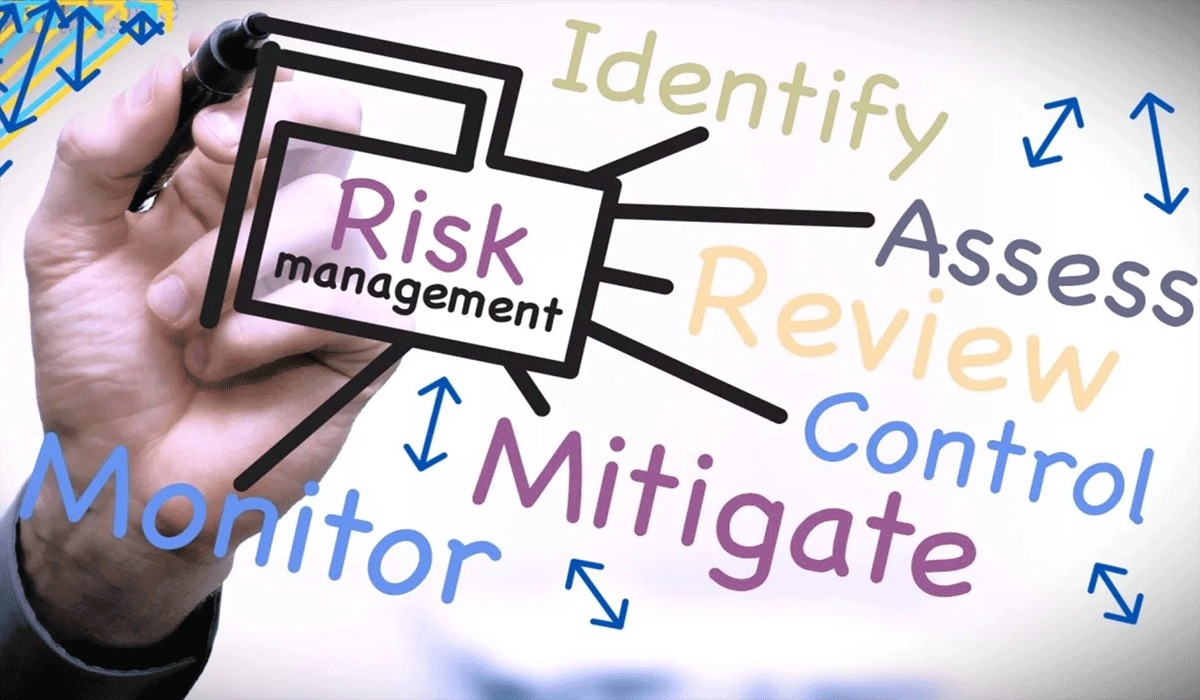
Ongoing monitoring and risk management are essential components of a systematic project management approach. Long-term projects are particularly vulnerable to changes in scope, technology, market conditions, and stakeholder expectations. Regular performance tracking allows project managers to compare actual progress against planned milestones and budgets.
This visibility enables early detection of deviations and timely corrective actions. Risk management is not a one-time activity but a continuous process that involves identifying potential threats, assessing their impact, and implementing mitigation strategies. A systematic approach ensures that risks are documented, reviewed regularly, and managed proactively rather than reactively, increasing the likelihood of sustained project success.
Communication, Leadership, and Team Collaboration
Strong communication and leadership play a vital role in maintaining momentum and engagement throughout long-term projects. Systematic project management establishes clear communication channels, reporting structures, and documentation standards to ensure transparency. Consistent communication helps align stakeholders, manage expectations, and resolve conflicts before they escalate.
Effective leadership fosters collaboration, accountability, and motivation among team members, even during challenging phases of the project. By promoting a culture of openness and continuous feedback, project managers can maintain trust and commitment across diverse teams. This collaborative environment supports problem-solving and innovation, which are essential for navigating the complexities of long-term initiatives.
Systematic project management is a powerful driver of long-term project success, providing structure, clarity, and resilience throughout the project lifecycle. By establishing clear goals, aligning projects with strategic objectives, and implementing structured planning and resource management, organizations create a strong foundation for success.