

Every successful business starts with a solid plan. Learn effective strategies, set clear goals, and create a roadmap to achieve long-term business success.

Smart planning allows companies to set clear goals, allocate resources effectively, and navigate challenges with confidence. Whether you are a startup founder or an experienced entrepreneur, taking the time to create a strategic plan can significantly increase your chances of long-term success.
In this Streamlining Business Projects article, we will explore key steps and strategies for planning your business intelligently to maximize growth and efficiency.
Define Clear Goals and Objectives
The foundation of smart planning begins with setting clear, measurable goals. Without defined objectives, it’s easy for a business to lose direction. Start by identifying both short-term and long-term goals that align with your vision. For example, a short-term goal might be increasing monthly sales by 15%, while a long-term goal could involve expanding into new markets.
Use the SMART framework Specific, Measurable, Achievable, Relevant, Time-bound to ensure your goals are realistic and actionable. Clear goals give your team a roadmap to follow and help track progress effectively.
Analyze Your Market and Competition
Understanding the market and your competitors is essential for informed decision-making. Conduct thorough market research to identify trends, customer needs, and potential challenges.
Analyze competitors to discover their strengths, weaknesses, and strategies. This information allows you to position your business effectively and find opportunities to stand out. Tools like surveys, social media analytics, and industry reports can provide valuable insights.
A detailed market analysis ensures your business strategy is data-driven and reduces the risks of unexpected setbacks.
Read Also: Collaborative Leadership, Team Strategy for Success
Allocate Resources Wisely
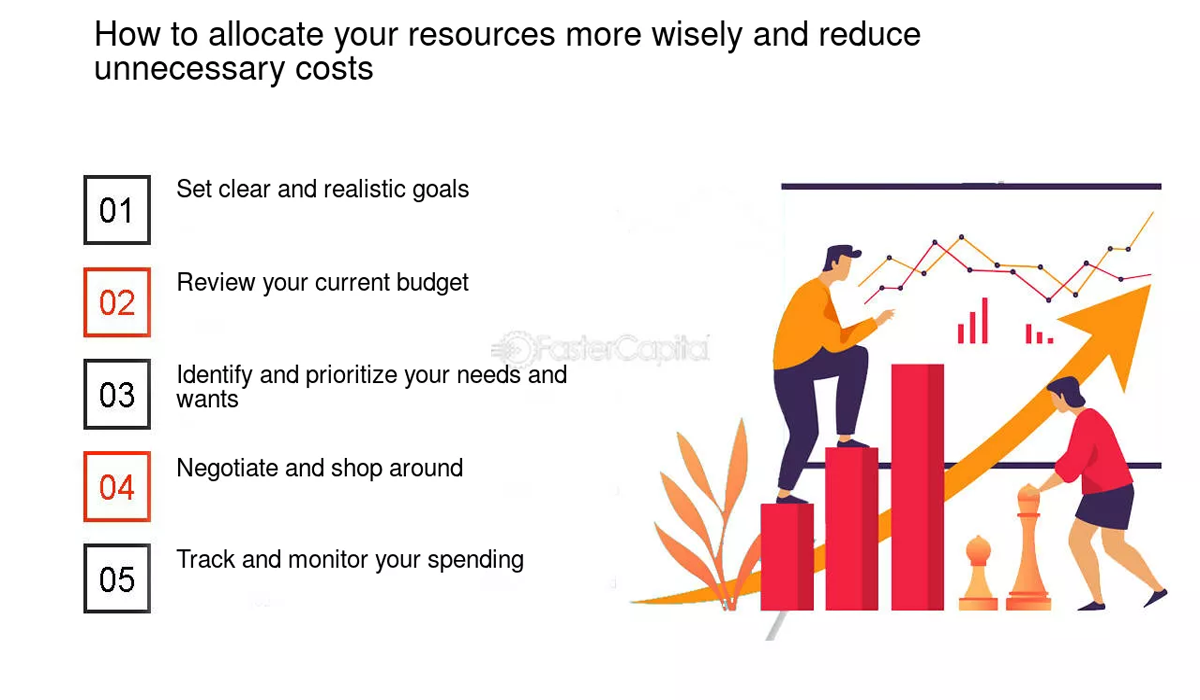
Resource allocation is a critical aspect of business planning. This includes managing finances, human resources, technology, and time efficiently. Start by creating a realistic budget that covers operational costs, marketing, and potential growth initiatives.
Assign roles and responsibilities clearly within your team to avoid confusion and maximize productivity. Investing in the right tools, training, and infrastructure can significantly improve efficiency and output.
Smart allocation ensures that every resource contributes to achieving your business objectives without unnecessary waste.
Monitor Progress and Adapt
No business plan remains static forever. Regularly monitoring progress helps identify what’s working and what needs adjustment. Use key performance indicators (KPIs) and regular reports to track outcomes against your goals.
Be prepared to adapt your strategies as market conditions or customer needs change. Flexibility in planning allows your business to remain competitive and resilient during challenges.
Encourage feedback from your team and stay informed about industry developments to make timely, informed adjustments to your plan.
Conclusion
Smart planning is the cornerstone of business success. By defining clear goals, understanding your market, allocating resources efficiently, and monitoring progress, you create a roadmap that guides your company toward growth and sustainability.
Strategic planning is not a one-time activity but an ongoing process that evolves with your business.
Investing time and effort into creating and refining a solid plan can help you navigate challenges, seize opportunities, and achieve long-term success in today’s competitive business landscape.
Watch and keep following, don’t miss the most complete information regarding Streamlining Business Projects.
Image Information Source:
- First Image: richard-brooks.com
- Second Image: fastercapital.com


