

Managing projects can feel overwhelming, especially when deadlines, resources, and team dynamics collide.
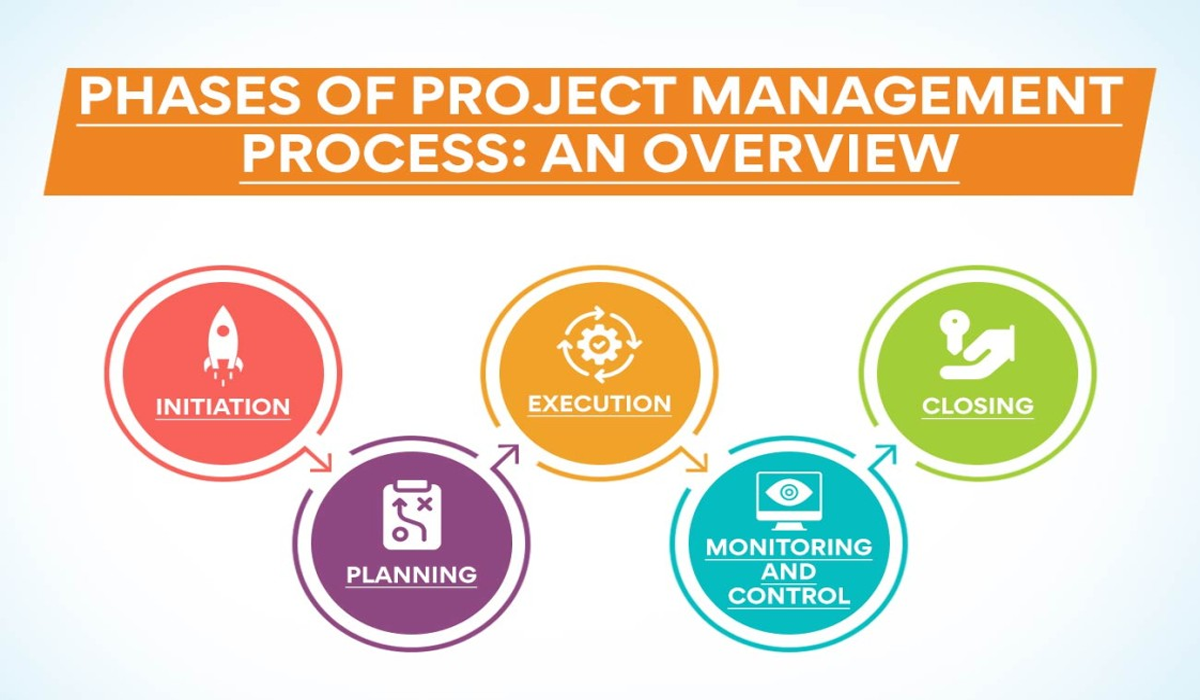
Yet, effective project management is not about working harder it’s about working smarter. By adopting clear strategies and practical techniques, project managers can streamline workflows, boost team productivity, and deliver results on time.
Whether you’re handling small tasks or complex initiatives, The following tips for Streamlining Business Projects will help you manage projects effectively while keeping your team motivated and focused.
Set Clear Goals and Objectives
One of the most common reasons projects fail is unclear goals. Before diving into tasks, define what success looks like. Break down large projects into smaller, measurable objectives.
Use the SMART framework Specific, Measurable, Achievable, Relevant, and Time-bound to create goals that everyone can understand and work toward. Clear objectives provide direction, reduce confusion, and make it easier to track progress throughout the project lifecycle.
Setting goals also helps manage team expectations. When everyone knows what needs to be achieved and by when, it reduces misunderstandings and keeps motivation high. Additionally, clearly defined objectives make it easier to celebrate milestones, boosting team morale and engagement.
Plan Thoroughly and Prioritize Tasks
Effective project management relies on meticulous planning. Start by outlining all necessary steps and resources needed to complete the project. Create a timeline with milestones to monitor progress.
Prioritize tasks based on urgency and impact, and assign responsibilities clearly to each team member. Tools like Gantt charts, Kanban boards, or project management software can help visualize workflows and ensure nothing falls through the cracks.
Good planning also involves risk assessment. Anticipate potential obstacles and develop contingency plans. For example, if a key team member is unavailable, having a backup ensures the project does not stall.
Prioritizing tasks strategically ensures that critical activities are completed first, which reduces stress and improves overall efficiency.
Read Also: Maximizing Revenue with Smart Streaming Business Projects
Communicate Consistently and Transparently
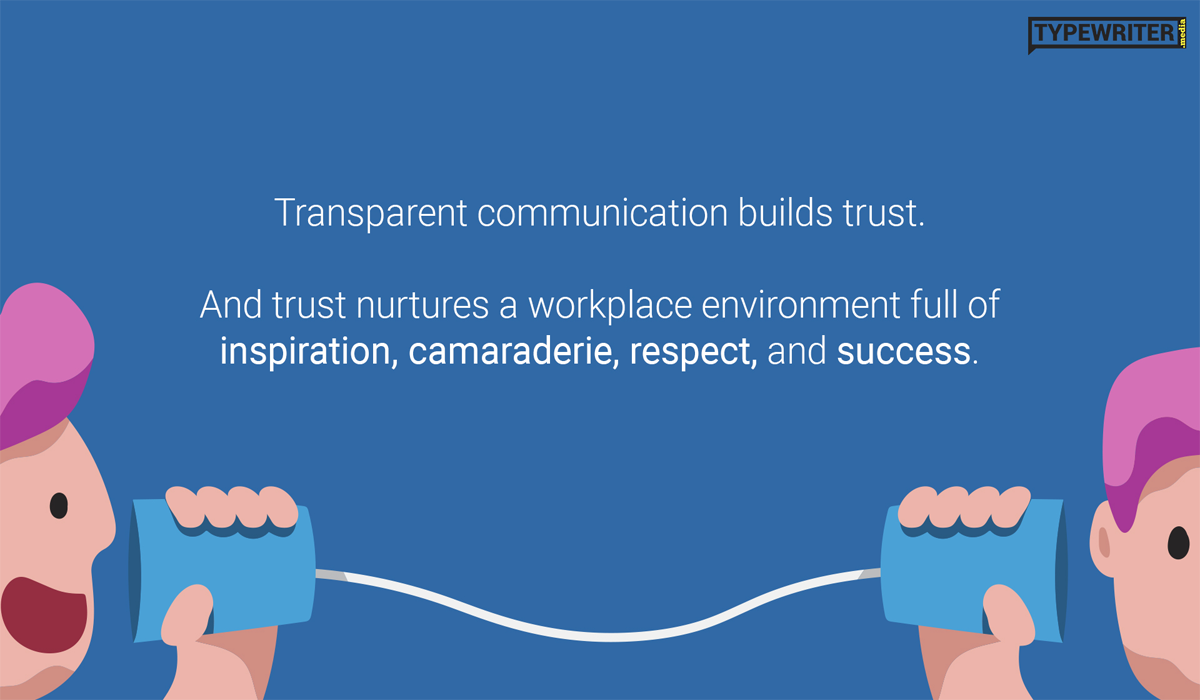
Communication is the backbone of successful project management. Hold regular team meetings to update everyone on progress, discuss challenges, and align on next steps. Encourage open dialogue so team members feel comfortable sharing concerns or ideas.
Use collaboration tools like Slack, Trello, or Asana to maintain transparency and ensure that everyone has access to real-time updates.Transparent communication also helps resolve conflicts early.
Misunderstandings can cause delays and frustration, but regular check-ins and clear instructions keep everyone on the same page. Moreover, strong communication fosters trust among team members, which is essential for collaboration and achieving project goals efficiently.
Monitor Progress and Adapt as Needed
Even the best plans can face unexpected obstacles. Monitoring progress is essential to ensure the project stays on track. Track key performance indicators (KPIs) and deadlines, and be prepared to adjust schedules or resources when necessary.
Conduct periodic reviews to evaluate what’s working and what isn’t. Being flexible allows you to address issues before they escalate, minimize risks, and maintain team morale. Adapting quickly is especially important in dynamic projects. Sometimes priorities shift, or resources become limited.
By staying alert and responsive, project managers can implement changes smoothly without derailing the entire plan. This adaptability ensures that the team remains productive and the project meets its objectives, even under challenging conditions.
Conclusion
Mastering project management is about combining planning, communication, and adaptability. By setting clear goals, prioritizing tasks, maintaining open communication, and monitoring progress, you can guide your team to success while minimizing stress and inefficiencies.
Effective project management isn’t just about meeting deadlines it’s about creating a structured environment where everyone knows their role, feels valued, and contributes to a shared vision.
Watch and keep following, don’t miss the most complete information regarding Streamlining Business Projects.
Image source :
- First image: linkedin.com
- Second image: typewriter.media


