While strategy, technology, and market conditions all play important roles, the way leaders guide their teams often determines how effectively these elements are used.
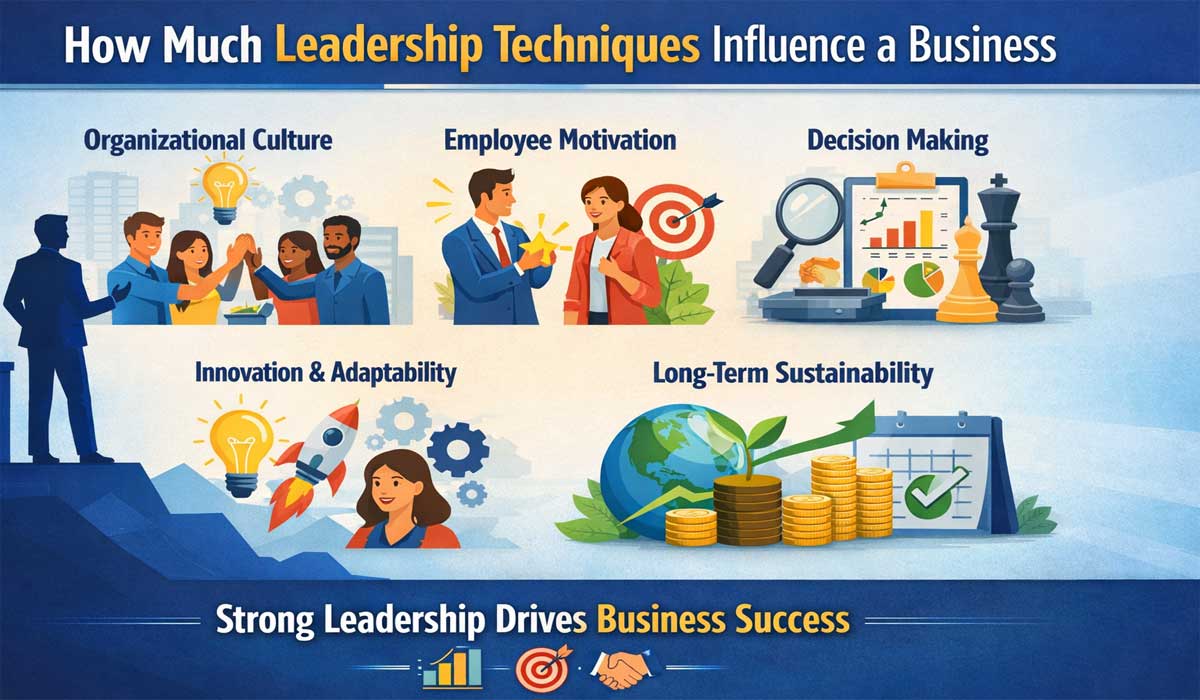
Leadership techniques influence communication, motivation, productivity, and long-term growth. When applied properly, strong leadership can streamline business projects, transforming an ordinary organization into a thriving and innovative business environment.
Leadership Shapes Organizational Culture
Leadership techniques strongly influence the culture within a company. Organizational culture reflects how employees interact, solve problems, and approach their work. When leaders promote transparency, accountability, and respect, they create an environment where employees feel valued and motivated. A positive culture encourages collaboration and reduces internal conflict, helping teams focus on achieving company goals.
On the other hand, poor leadership techniques can damage workplace culture. Leaders who fail to communicate clearly or who manage through fear often create stress and confusion. Employees may feel disconnected from the company’s vision, leading to lower engagement and productivity. Over time, this negative atmosphere can increase employee turnover and weaken the organization’s overall performance.
Leadership Techniques Drive Employee Motivation
Employee motivation is deeply connected to leadership style. Leaders who practice supportive and empowering techniques tend to inspire employees to perform at their best. By recognizing achievements, offering constructive feedback, and encouraging professional development, leaders can create a motivated workforce that takes pride in their contributions.
Motivated employees are more likely to take initiative and solve problems creatively. When leaders involve their teams in decision-making processes, employees feel a stronger sense of ownership over their work. This sense of responsibility can significantly boost productivity and improve the quality of outcomes across departments within the organization.
Decision-Making Quality Depends on Leadership
Leadership techniques also play a critical role in the quality of decision-making within a business. Effective leaders rely on data, collaboration, and strategic thinking when making important decisions. They gather insights from various departments, analyze potential risks, and consider long-term impacts before implementing actions.
In contrast, leaders who make impulsive decisions without proper consultation can place their organizations at risk. Poor decision-making may lead to financial losses, operational disruptions, or missed opportunities. Businesses that encourage thoughtful leadership practices are better positioned to respond to market changes and maintain competitive advantages in their industries.
Read Also: Turning Streaming Ideas into Profit Smart Strategies for Modern Content
Leadership Influences Innovation and Adaptability
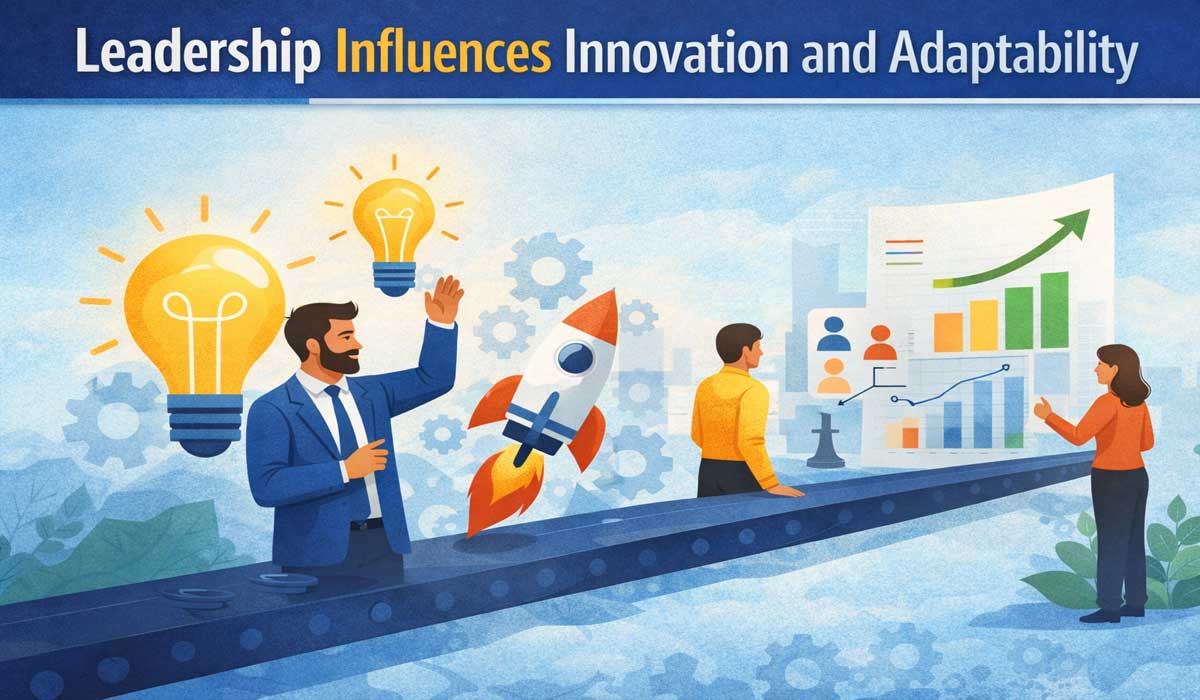
Innovation is essential for businesses that want to remain competitive in rapidly changing markets. Leadership techniques that encourage experimentation and creative thinking allow employees to explore new ideas without fear of failure. Leaders who support innovation often build teams that are willing to challenge existing processes and develop improved solutions.
Adaptability also stems from effective leadership. When leaders remain open to change and actively seek new perspectives, organizations become more resilient. This mindset helps companies respond to technological advancements, shifting customer expectations, and economic challenges. Businesses led by forward-thinking leaders are more likely to sustain growth over the long term.
Leadership Determines Long-Term Business Sustainability
The sustainability of a business is heavily influenced by the consistency and effectiveness of its leadership techniques. Leaders who establish clear visions and long-term strategies provide direction for the entire organization. They align business objectives with employee roles, ensuring that every team member understands how their work contributes to the company’s mission.
Strong leadership also involves continuous learning and improvement. Effective leaders evaluate their strategies regularly and adapt them based on results and feedback. By fostering trust, communication, and accountability, leaders create stable organizations capable of navigating both opportunities and challenges in an evolving business landscape.
Image Information Source:
First Image from: https://waterfallsolutions.co.uk/
Second Image from: https://waterfallsolutions.co.uk/