The integration of intelligent robots and automated systems accelerates manufacturing processes, minimizes human error, and improves quality.
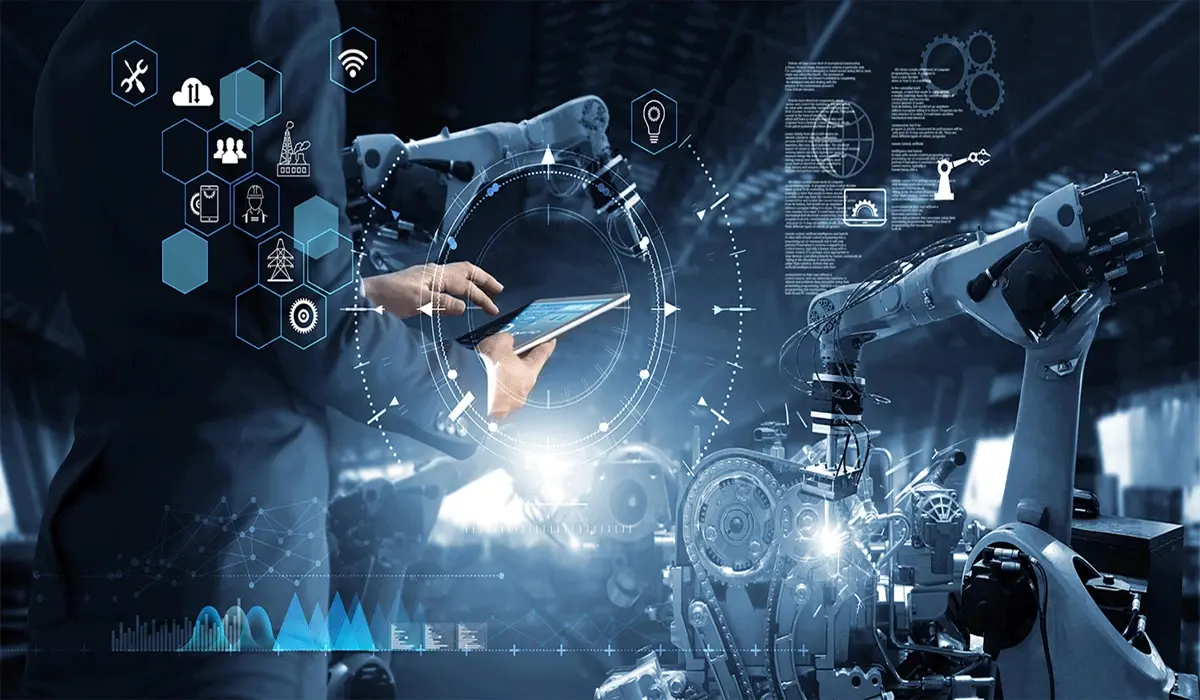
Technological developments have fundamentally changed the face of industry. Amidst increasingly fierce global competition, manufacturing companies are required to improve production efficiency, quality, and flexibility. In this context Streamlining Business Projects, automation and robotics emerge as the primary foundation of modern industrial transformation, and are key to the future of global production.
The Evolution of Manufacturing Automation
Industrial automation is not a new concept. Since the first industrial revolution, humans have sought to replace manual labor with machines to increase productivity. However, a major leap occurred when computer systems began to be integrated into production processes, enabling more precise and structured control.
Entering the Industry 4.0 era, automation has evolved into interconnected systems through the internet and digital technology. Machines no longer stand alone, but communicate with each other through sensors, software, and analytical systems. This gave rise to the concept of the smart factory, where production processes can be monitored and controlled in real time.
These changes are driving companies to invest in advanced automation systems such as programmable logic controllers (PLCs), distributed control systems (DCS), and production management software. The result is increased operational efficiency, reduced human error, and the ability to produce at scale with consistent quality.
Robotics Transforming Global Production
Industrial robots play a central role in the transformation of modern manufacturing. In sectors such as automotive, electronics, and food and beverage, robots are used for tasks that require high precision, speed, and consistency. Robots are able to work tirelessly, reducing the risk of workplace accidents and improving safety in factory environments.
Global automotive companies such as Toyota and Tesla have widely integrated robotics into their production lines. From welding and painting to assembling complex components, robots help ensure each product meets stringent quality standards. This implementation enables mass production with a level of precision that is difficult to achieve manually.
In addition to traditional industrial robots, collaborative robots (cobots) are also emerging, designed to work alongside humans. Cobots are equipped with advanced sensors that enable safe interaction, thus fostering collaboration between humans and machines. This approach increases production flexibility while maintaining the role of human labor in decision-making and oversight.
Also Read: Streaming Business Projects, Optimizing Production Through Innovation
Automation and Global Competitiveness
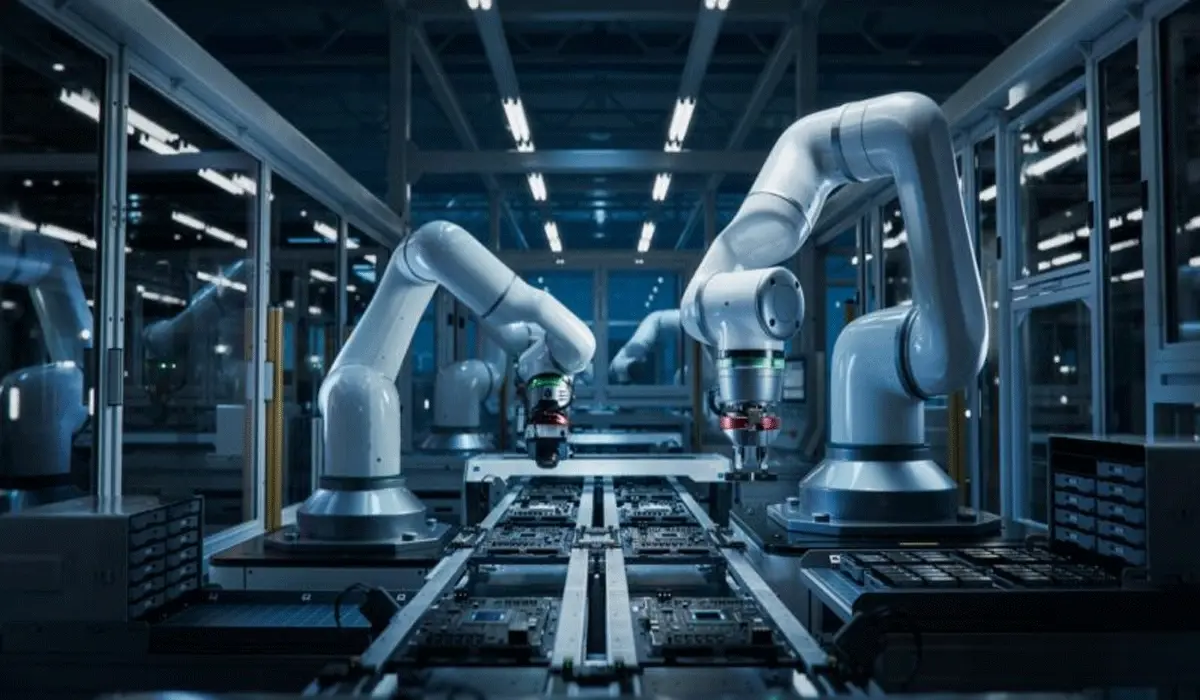
One of the most significant impacts of automation and robotics is increased operational efficiency. Production processes that previously took a long time can now be completed more quickly with a high degree of accuracy. This has a direct impact on reducing production costs and increasing company profit margins.
In a competitive global market, efficiency is a determining factor for success. Countries with high levels of automation adoption tend to have stronger industrial competitiveness. With standardized and integrated production systems, companies are able to meet market demand quickly while maintaining consistent product quality.
The Future of Automation and Robotics
Despite offering many benefits, the implementation of automation and robotics also presents challenges. High initial investment is a barrier for some companies, especially small and medium-sized companies. Furthermore, digital transformation requires infrastructure readiness and competent human resources.
The issue of employment is also often debated. Automation is seen as having the potential to reduce the need for labor in routine tasks. However, on the other hand, a new need has emerged for experts in programming, data analytics, system maintenance, and robotics engineering. This transformation requires skill upgrading and reskilling of the workforce.
Modern Industrial Automation Systems
The integration of artificial intelligence (AI) into modern industrial automation systems is a strategic step in increasing production efficiency and accuracy. Unlike conventional automation, which operates based on programmed commands and fixed patterns, AI-based systems are capable of dynamically analyzing data and making decisions independently. Thank you for taking the time to explore interesting information about technological developments in Streamlining Business Projects, We will provide much more information.
Image Information Source:
First Image: gray.com
Second Image: mida.gov.my