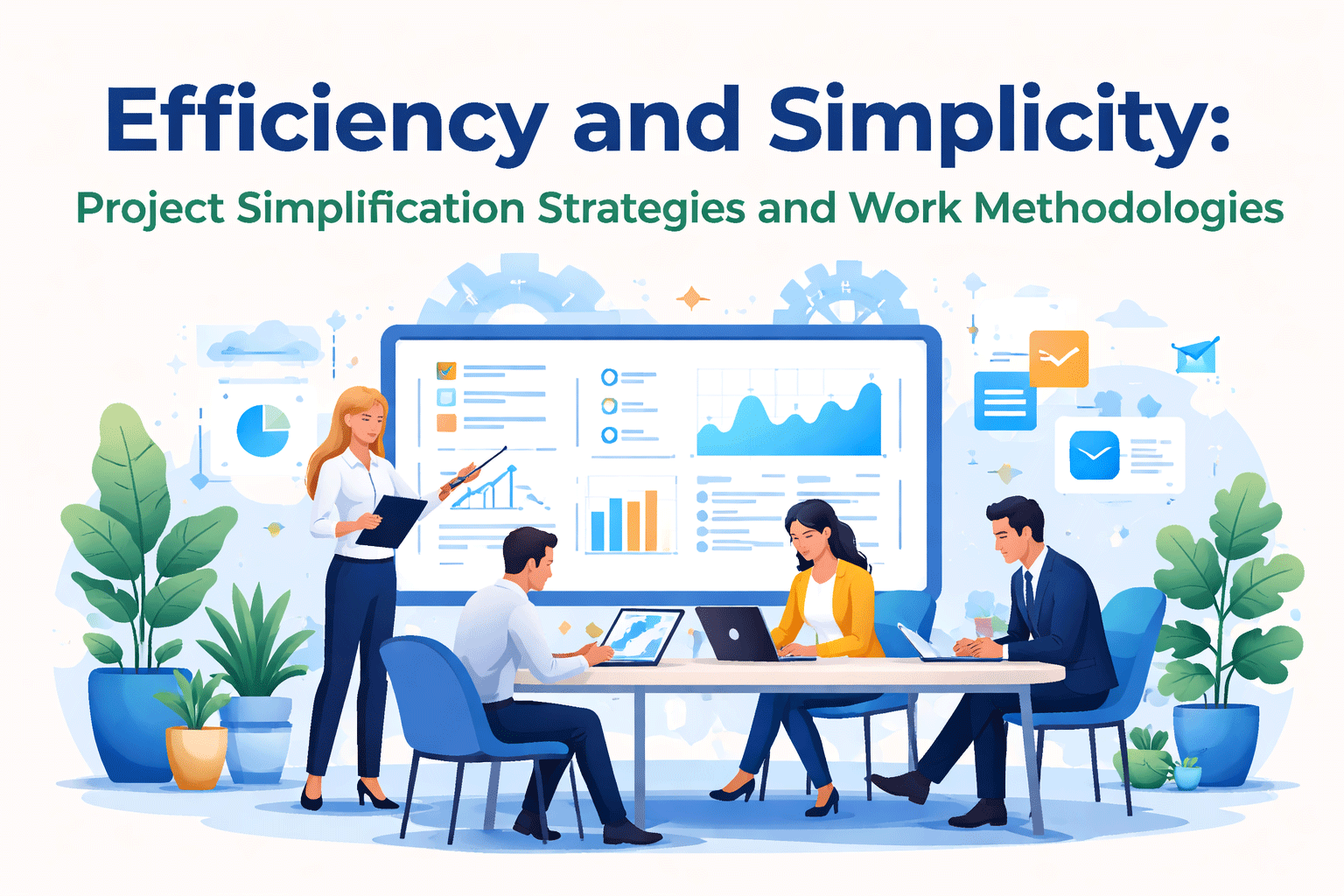
In today’s fast-paced business environment, companies must adopt innovative and strategic approaches to remain competitive.
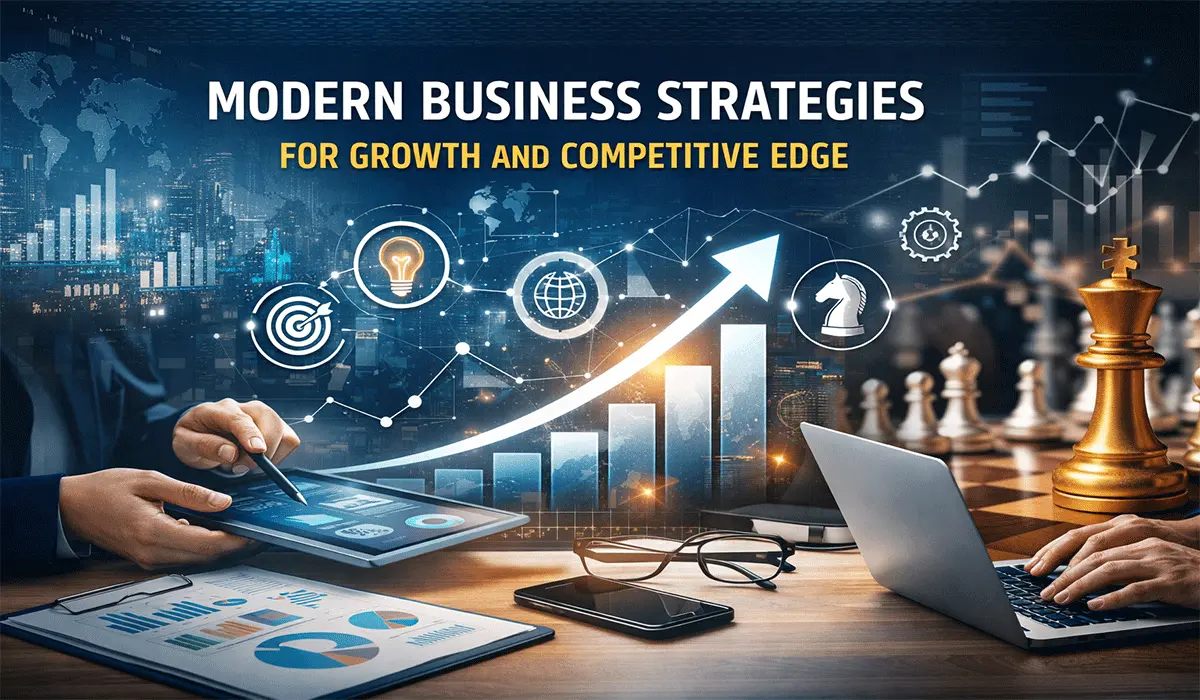
In today’s fast-paced business environment, companies must adopt innovative approaches and strategies to remain competitive. Modern business strategies go beyond traditional methods by integrating technology, data-driven decision-making, and adaptive planning. In this article, Streamlining Business Projects explores effective strategies to grow your business and maximize revenue while staying competitive in a rapidly evolving industry.
Embracing Technology and Digital Transformation
One of the core pillars of modern business strategy is leveraging technology to streamline operations and improve efficiency. Digital transformation allows companies to automate routine tasks, analyze customer data in real-time, and optimize processes. By adopting modern tools such as AI, cloud computing, and advanced analytics, businesses can make smarter decisions faster and reduce operational costs.
Moreover, technology enables businesses to better understand customer behavior. Data-driven insights reveal patterns, preferences, and trends that can guide marketing strategies, product development, and customer service improvements. This allows companies to respond proactively to market demands and create more personalized customer experiences.
Lastly, technology facilitates collaboration and communication within organizations. Cloud-based platforms, project management tools, and communication apps allow teams to work seamlessly across geographies, fostering innovation and increasing productivity. Companies that embrace technology as a strategic asset are better positioned for growth and long-term success.
Customer-Centric Approaches
Modern business strategies prioritize customer-centric approaches. Understanding customer needs, pain points, and expectations is essential for developing products and services that resonate with the target market. Companies that actively listen to their customers and adapt offerings accordingly can build loyalty and generate repeat business.
Engaging with customers through multiple channels, including social media, email, and personalized marketing campaigns, strengthens relationships. A strong focus on customer experience enhances brand reputation and creates a competitive edge, as satisfied customers are more likely to become brand advocates.
Additionally, businesses that implement customer feedback loops can continuously improve their products and services. Collecting and analyzing customer insights allows companies to stay ahead of competitors and maintain relevance in the marketplace.
Also Read: Leading Successful Streaming Projects Through Creative Digital Collaboration
Mastering Strategic Planning with Agility for Success

Modern business strategies emphasize strategic planning that is flexible and adaptable. Static plans are insufficient in today’s dynamic environment, where market conditions, technology, and consumer preferences can change rapidly. Companies must continuously assess risks, identify opportunities, and adjust strategies accordingly.
Scenario planning, agile methodologies, and iterative decision-making processes enable businesses to respond quickly to changes. By adopting a proactive approach, companies can mitigate risks and capitalize on emerging trends before competitors do.
Furthermore, adaptability encourages innovation. Companies that foster a culture of experimentation and continuous learning are better equipped to develop unique products, services, and solutions that differentiate them in the market.
Data-Driven Decision Making
Data has become a critical asset for modern businesses. Leveraging analytics and insights allows organizations to make informed decisions, optimize operations, and predict future trends. Companies that use data effectively can identify growth opportunities, reduce inefficiencies, and allocate resources strategically.
Data-driven decision-making also supports performance measurement. By tracking key performance indicators (KPIs) and evaluating outcomes, businesses can assess the effectiveness of strategies and make necessary adjustments. This approach ensures sustained growth and a lasting competitive advantage.
Conclusion
Modern business strategies combine technology, customer-centric approaches, adaptability, and data-driven insights to foster growth and maintain a competitive edge. Companies that embrace these strategies can navigate market changes effectively, innovate continuously, and outperform competitors. By prioritizing strategic planning and leveraging data intelligently, businesses position themselves for long-term success in today’s complex and dynamic environment.
Image Source
- First Image: https://waterfallsolutions.co.uk/
- Second Image: https://waterfallsolutions.co.uk/