In today’s digital age, streaming content has become one of the most powerful mediums for entertainment, education, and marketing.
However, success in streaming isn’t just about having a creative idea; it’s also about turning that idea into a polished and engaging experience. Every stage, from brainstorming to broadcasting, requires careful planning, teamwork, and the smart use of technology. This article from Streamlining Business Projects discusses how to optimize streaming content production, offering practical insights to help creators and teams achieve the best results efficiently.
Crafting Ideas and Planning Your Content
Every successful streaming project begins with a clear, focused idea. Strong concepts consider the target audience, market trends, and the overall purpose of the content. Creative teams often start with brainstorming sessions, aiming to develop unique, compelling ideas that stand out in a crowded digital space. Researching competitors also ensures your content has a distinctive edge that draws viewers’ attention.
Once the concept is defined, detailed planning is essential. This includes scheduling production tasks, allocating budgets, choosing content formats, and selecting streaming platforms. A comprehensive production plan acts as a roadmap for the entire team, helping everyone from creators and producers to editors and technical staff stay coordinated and aligned.
A well-structured plan also allows teams to anticipate challenges before they arise. By addressing potential bottlenecks, such as limited resources or tight deadlines, early planning reduces stress during production. It ensures each stage is executed efficiently, paving the way for high-quality content that resonates with viewers.
Scripting and Storyboarding
Scripts and storyboards are the backbone of strong streaming content. A script guides dialogue, narration, and pacing, while a storyboard visually maps out each scene. These tools help the team understand both the creative vision and technical steps needed for production. Without them, projects often face confusion, delays, or inconsistent results.
Storyboards are particularly valuable for communication between creative and technical teams. They allow the team to plan camera angles, lighting setups, animation, and special effects before production begins. This reduces mistakes and ensures the final product aligns with the original vision.
In addition, storyboards save time during production. By providing a visual reference, teams can move quickly from scene to scene, minimizing unnecessary retakes. This streamlined approach allows the project to maintain a professional standard while staying on schedule.
Read Also: Manufacturing Optimization Through Innovative Streaming Platforms
Production and Filming
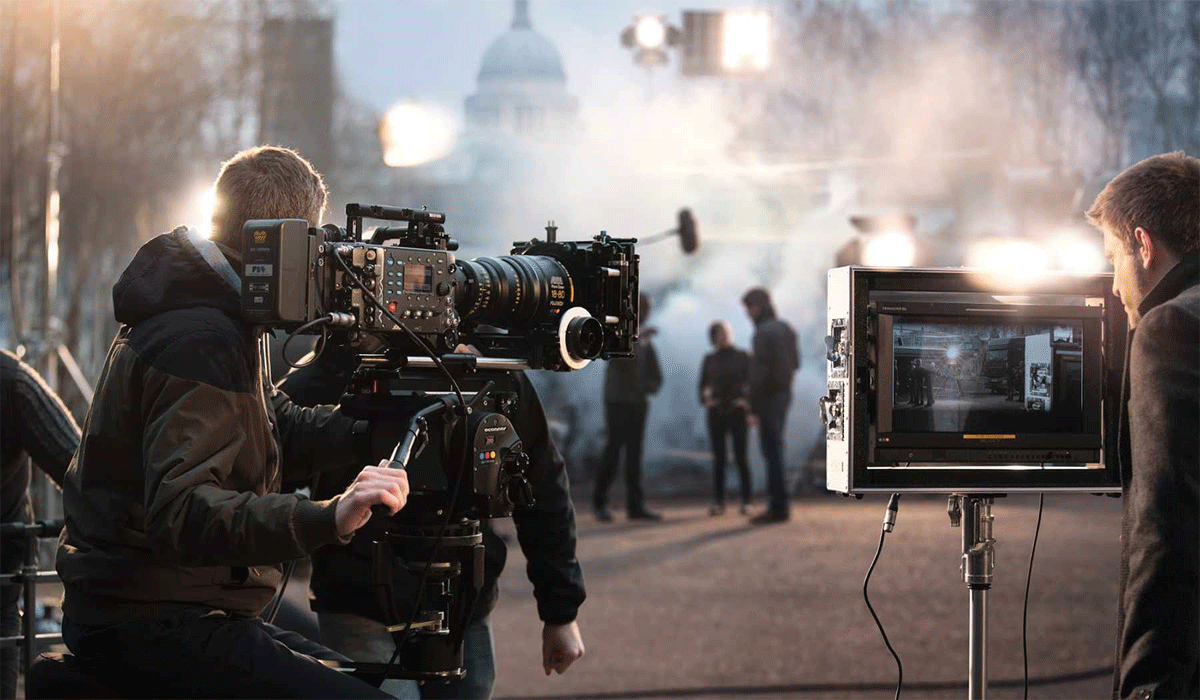
Production is the stage where ideas and scripts come to life. Effective coordination between team members is crucial, as cameras, lighting, audio, and sets all need to be ready for filming. Staying organized and managing time efficiently ensures each scene is captured clearly and effectively.
Technology plays a key role in improving production quality. High-quality cameras, professional microphones, lighting software, and real-time monitoring systems help the team capture footage accurately. Proper preparation reduces errors and minimizes costly reshoots or edits later.
Additionally, production is about creating a smooth workflow. Team members must communicate clearly, follow schedules, and anticipate challenges during shooting. This organized approach not only saves time but also results in a more polished final product that engages viewers from start to finish.
Editing and Post-Production
After filming, the editing stage transforms raw footage into a cohesive and engaging story. Editors refine visuals, add effects, integrate music, and ensure smooth transitions. This phase determines the overall quality and appeal of the streaming content.
Post-production also requires testing content across different devices and platforms. Adjusting colors, audio, resolution, and file formats ensures the viewing experience is consistent for all audiences. A well-edited video keeps viewers engaged and increases the likelihood of positive feedback and shares.
Finally, post-production provides an opportunity for creative enhancements. Adding graphics, captions, and interactive elements can make content more dynamic and enjoyable. This stage shapes the final product and maximizes its impact on viewers.
Distribution and Broadcasting
The final step is delivering content to your audience. Choosing the right streaming platform affects reach and engagement. Teams must consider algorithms, optimal posting schedules, and promotional strategies to ensure content is seen by the target audience.
Marketing and social media integration play a key role in boosting visibility. Coordinating with marketing teams ensures content is promoted effectively, driving traffic and interaction from viewers. Finally, monitoring post-broadcast performance is essential. Analytics, feedback, and engagement metrics help teams evaluate success and identify improvements for future projects.
This continuous cycle of assessment ensures each new streaming project becomes more effective and impactful. Stay ahead in the world of digital content! Discover practical strategies to optimize streaming content production from concept to broadcast, master team collaboration, and produce high-quality, engaging videos only at Streamlining Business Projects.
Image Information Source:
- First Image from: lwks.com
- Second Image from: mbrellafilms.com