Project success is not achieved by chance it is the result of careful planning, effective execution, and precise delivery.
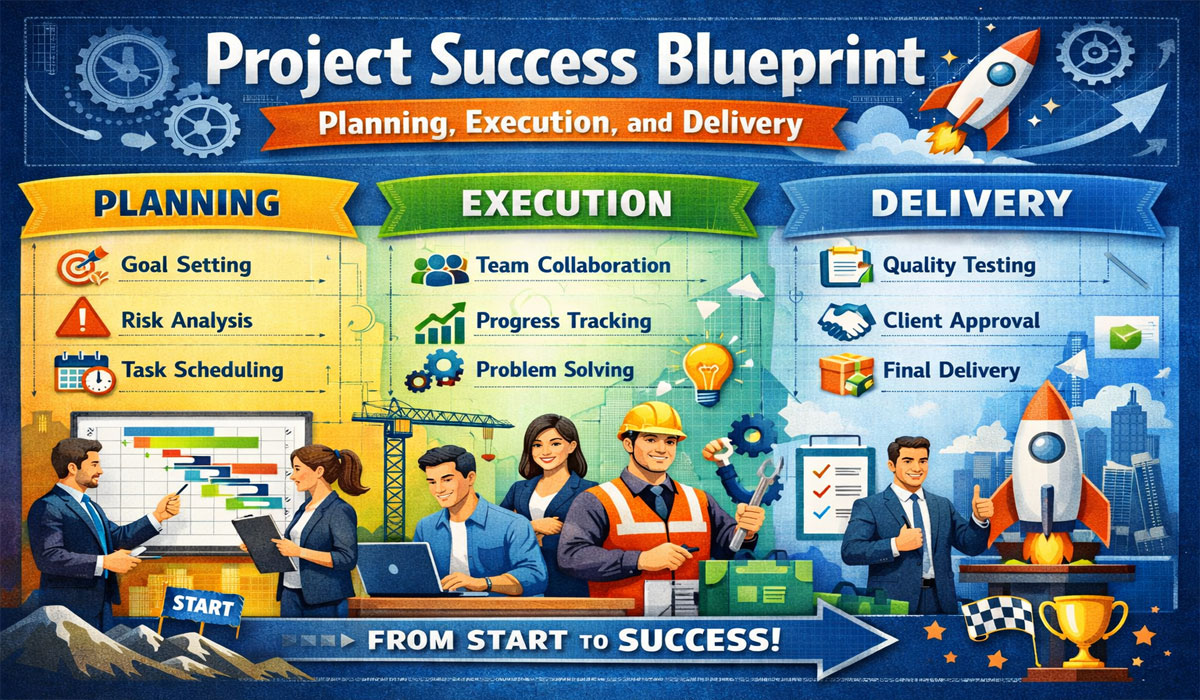
Whether in business, technology, or construction, a structured approach ensures that goals are met on time, within budget, and with the desired quality. Understanding the full lifecycle of a project helps teams stay aligned and focused from start to finish.
This Streamlining Business Projects article explores a complete blueprint for project success, covering the essential stages of planning, execution, and delivery, along with practical insights to improve overall performance.
Establishing a Clear Project Vision
Every successful project begins with a well-defined vision. This includes identifying the objectives, scope, and expected outcomes. A clear vision ensures that all stakeholders understand what the project aims to achieve and why it matters.
In addition, defining key success metrics early on helps measure progress effectively. When teams have a shared understanding of goals and expectations, it reduces confusion and creates a strong foundation for the entire project lifecycle.
Strategic Planning and Resource Allocation
Planning is one of the most critical phases of any project. This stage involves breaking down the project into manageable tasks, setting timelines, and allocating resources efficiently. Proper planning helps identify potential risks and prepares the team to handle challenges proactively.
Resource allocation is equally important. Assigning the right people, tools, and budget to each task ensures that work progresses smoothly. A well-structured plan acts as a roadmap, guiding the team through each phase of the project.
Read Also: Developing a Streaming Project: Effective Business Strategies for Beginners
Building an Effective Project Team
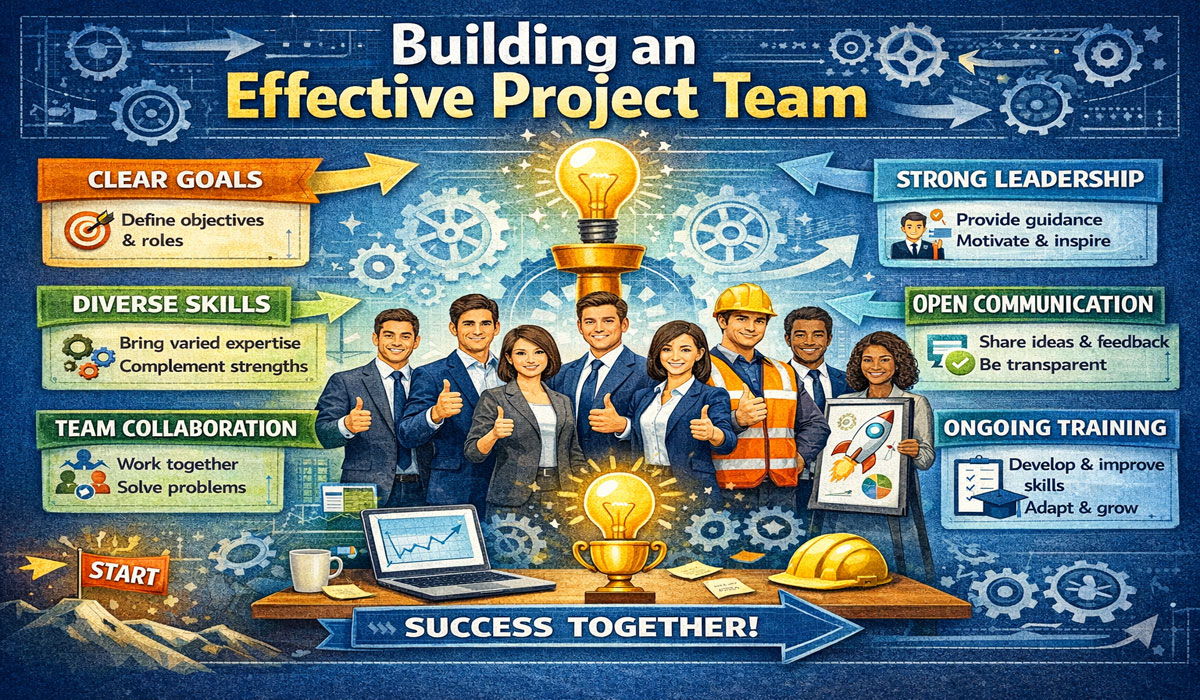
A project is only as strong as the team behind it. Selecting individuals with the right skills and experience is essential for achieving project goals. Each team member should clearly understand their roles and responsibilities.
Effective communication within the team is also crucial. Regular updates, meetings, and collaboration tools help ensure that everyone stays aligned. A motivated and well-coordinated team can overcome obstacles and maintain productivity throughout the project.
Executing with Precision and Flexibility
Execution is where plans are put into action. This phase requires close monitoring to ensure that tasks are completed according to schedule and quality standards. Project managers must track progress, address issues promptly, and keep the team focused.
Flexibility is key during execution. Unexpected challenges often arise, and the ability to adapt quickly can make a significant difference. Adjusting plans without losing sight of the main objectives helps maintain momentum and avoid delays.
Monitoring Progress and Managing Risks
Continuous monitoring is essential to keep the project on track. This involves tracking performance metrics, reviewing milestones, and identifying any deviations from the plan. Early detection of issues allows for timely corrective actions.
Risk management is another important aspect. By anticipating potential risks and preparing contingency plans, teams can minimize disruptions. A proactive approach ensures that challenges are handled efficiently without affecting overall progress.
Conclusion
A successful project is the result of careful planning, effective execution, and disciplined delivery. By establishing a clear vision, building a strong team, and maintaining flexibility throughout the process, organizations can significantly improve their chances of success.
Watch and keep following, don’t miss the most complete information regarding Streamlining Business Projects.
Image Source:
First Image: waterfallsolutions.co.uk
Second Image: waterfallsolutions.co.uk