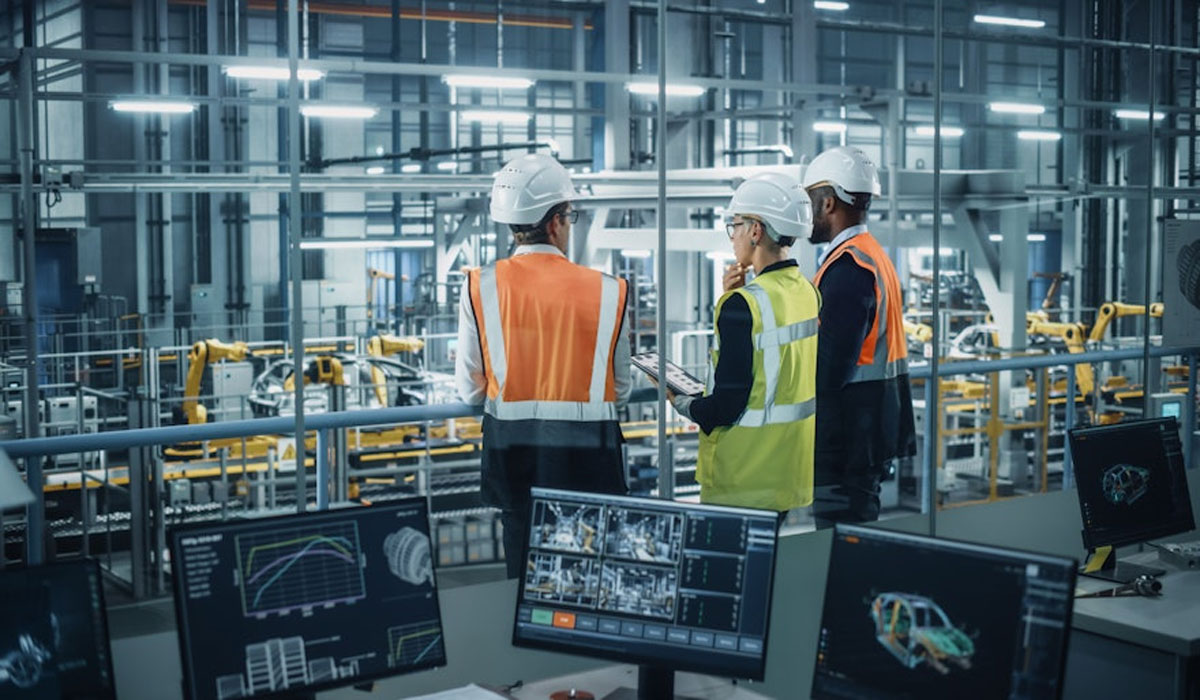
Discover how to optimize manufacturing through innovative streaming platforms, productivity, and real-time production process management.
Manufacturing optimization through innovative streaming platforms enables real-time monitoring of production processes, increasing efficiency, productivity, and informed decision-making. Streamlining Business Projects will discuss the strategies, benefits, and implementation of innovative streaming platforms to effectively and sustainably improve manufacturing performance.
Understanding the Role of Streaming Platforms in Manufacturing
Innovative streaming platforms play a crucial role in the digitalization of production lines. By integrating data from various machines and processes, these platforms enable managers and operators to monitor production in real-time. The use of streaming platforms reduces the risk of human error because every production activity is accurately recorded and can be analyzed immediately.
Furthermore, real-time data collection enables faster and more accurate decision-making. Analyzing production trends, identifying bottlenecks, and implementing predictive maintenance becomes easier. With this understanding, companies can increase productivity, reduce operational costs, and ensure consistent product quality. Streaming platforms are a key foundation for efficient and scalable smart manufacturing.
Improving Operational Efficiency with Streaming
Streaming platforms enable operational efficiency because production processes can be monitored simultaneously and in an integrated manner. Every machine, production line, and worker can be tracked to ensure optimal production flow without interruption. Real-time information helps detect problems before they have a major impact, significantly reducing downtime.
Furthermore, integrating streaming with analytics tools simplifies production planning and resource allocation. Operators can adjust machine schedules and capacity according to actual demand. With increased efficiency, companies are able to produce higher output at lower costs. This approach ensures manufacturing operations are more responsive, flexible, and able to compete in a competitive global market.
Also Read: Streaming Market Analysis 2026: Opportunities And Challenges For Digital Business
Data Analytics for Smarter Production Decisions
Streaming platforms not only display real-time data but also enable in-depth analysis to support strategic decisions. Production trends, machine performance, and product quality can be analyzed to predict the need for maintenance or process adjustments. With this information, companies can avoid waste and optimize resource utilization.
Furthermore, data analytics supports production process innovation. By understanding production patterns and machine performance, management can design strategies for continuous productivity improvement. Data-driven decisions make companies more adaptive to changing market demands and minimize operational risks. Streaming platforms are becoming an essential tool in building intelligent, information-driven manufacturing.
Successful Streaming Platform Implementation Strategy
Streaming platform implementation must begin with mapping the production process and identifying critical points that require real-time monitoring. Operator training and software integration with production machines are key to success. A phased strategy minimizes operational disruptions and maximizes team adaptation to the new system.
Furthermore, regular evaluation of streaming platform performance helps adapt the system to evolving production needs. Companies can add analytics features, automated notifications, or IoT integration to increase effectiveness. This approach makes implementation more scalable and ensures the streaming platform truly improves productivity, efficiency, and manufacturing quality on an ongoing basis.
Conclusion
Manufacturing optimization through innovative streaming platforms enables real-time monitoring, data analysis, and smarter decision-making. Operational efficiency increases, downtime is reduced, and production quality remains consistent. With proper implementation, companies can compete more effectively, maximize productivity, and build sustainable, information-driven smart manufacturing.
Image Source:
First Image from: www.criticalmanufacturing.com
Second Image from: www.digital-i.com